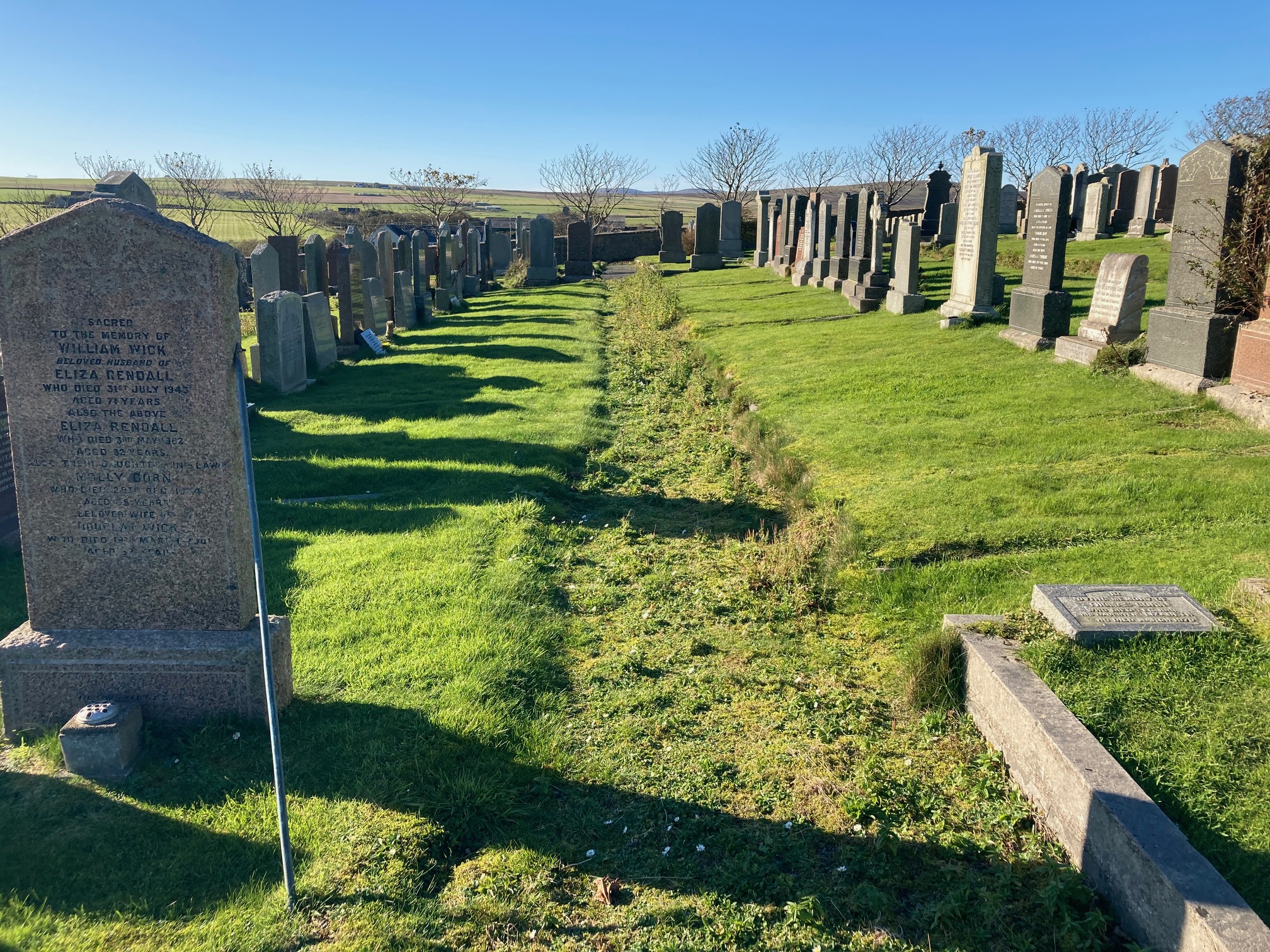

‘Strong feeling’ that condition of kirkyards is ‘not up to scratch’
'You're not going to make any saving at all,' councillor claims on burial grounds maintenance chop

The drive to save money on the upkeep of cemeteries has been questioned by some islands councillors.
Where the upkeep of cemeteries ranks as a priority while Orkney Islands Council is on a savings drive is taxing elected representatives.
The authority has faced flak over its efforts to reduce grass-cutting at its 50 burial grounds to save £27,000.
Recent plans to cut maintenance at four sites have been met with criticism from community councils, while one Kirkwall resident slammed the “disgusting state” of the older section of St Olaf’s Cemetery.
OIC’s former contractor for the work, Ewan MacKenzie, has claimed that the plans to reduce grass cutting could cost the authority even more money.
Some community councils are looking to fill the void, the council’s enterprise and infrastructure committee heard on Tuesday.
But Councillor Rachael King questioned OIC’s approach, where the standard of maintenance depends on the “frequency of visitors, the general use of the burial ground and the available budget.”
She said: “I would suggest that, if we’re talking about dignity and respect, the frequency of visitors is not necessarily relevant.
“One member [of the public] visiting a graveyard deserves the same level of dignity and respect as any other.”
Service manager for roads and grounds, Matthew Wylie, spoke about the importance of prioritising some of the budget towards burial grounds that are still in use, over older sites that have not been used for decades.
Kirkwall West and Orphir councillor Leslie Manson said officers have discretion when assessing the level of service provided for statutory duties.
He said: “I know from discussing with fellow members and from feedback from funeral directors and community councils that there’s a strong feeling that the condition of our kirkyards is not up to scratch.”
Gareth Waterson, director of enterprise and infrastructure, said that priority is given to services such as in social care and roads maintenance that involve a high level of risk.
In these instances, he believed, overspends in the budget can be justified.
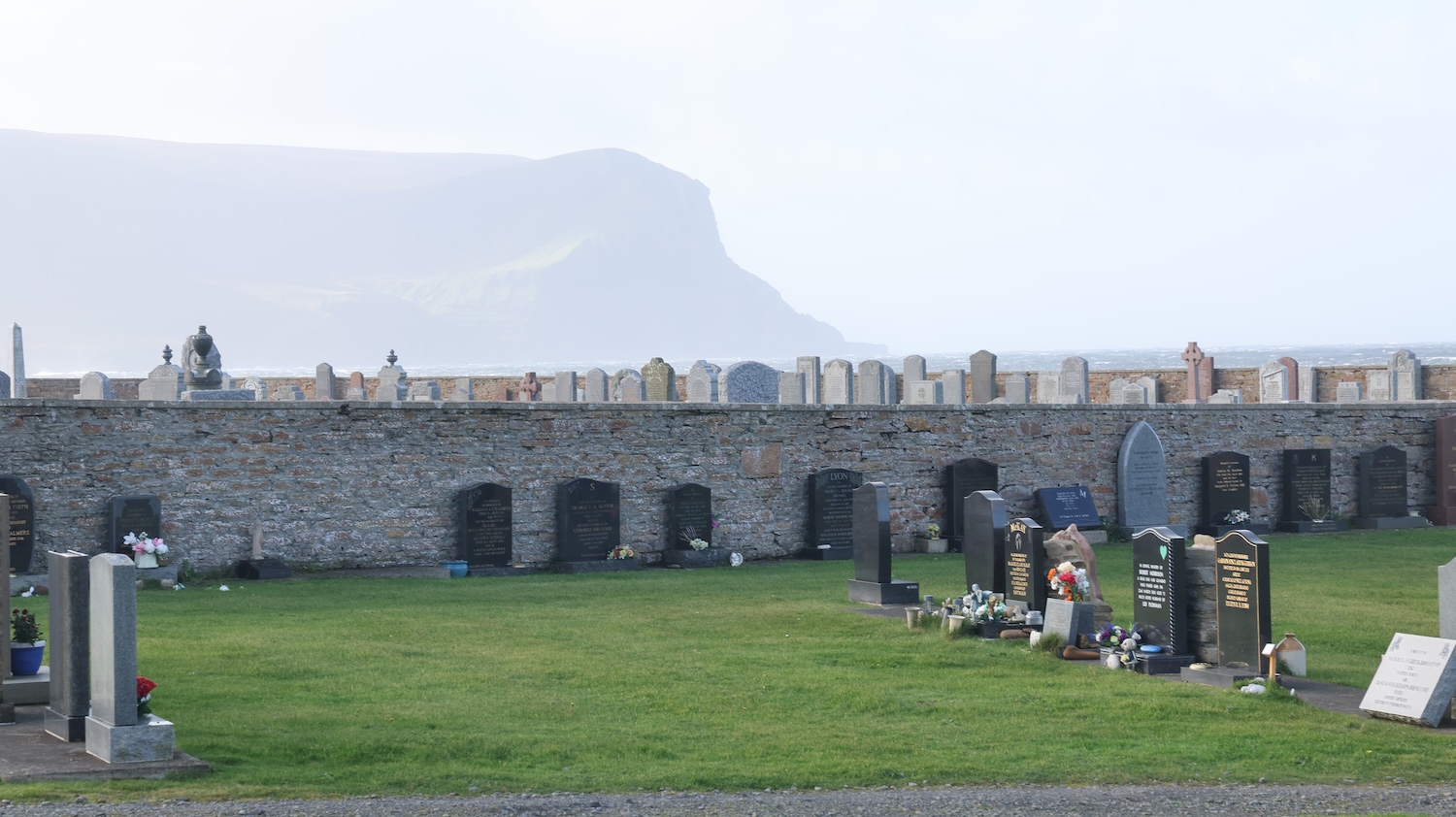
He said: “Not cutting the grass in a graveyard while it maybe is not pleasant for people that have relatives that have been interred there.
“But If you don’t cut the grass, it’s less likely that somebody is going to come to harm.
“Overall, there isn’t enough money to do all the things we are required to do so prioritisation needs to take place to balance the risks.”
Councillor Owen Tierney questioned whether the reduction in grass cutting from 12 to eight times a year will save money.
He said Harray and Sandwick Community Council have just received tenders back from a contractor and they were exactly the same price for both regimes.
Said Councillor Tierney: “If the grass grows longer, it takes far longer to cut.
“It doesn’t stop growing and the reality is that you’re not going to make any saving at all.
“I don’t think Harray and Sandwick will be the only community council that gets back this sort of quote.”
Mr Wylie said it has had little public feedback about the move from 12 to eight cuts a year. He said in the previous year, it had saved £9,000.
Councillor Graham Bevan said it is an issue councillors need to keep a close eye on.
He said: “If we’re doing things that change the pattern of what we’ve done in the past, whether it’s grass-cutting in the graveyards or weeding or cleaning in our lanes or streets.
“These are big ticket items for the community and some of them have health and safety elements.
“I would make a plea that we monitor the reductions that we’re taking.”
Councillor Bevan believed there could also be a bit of flexibility in future budgets.
The current year’s programme is expected to reduce cuts at all the burial grounds from 418 to 312 and produce a saving of £27,000.
The committee meanwhile agreed to manage and maintain its burial grounds in line with newly produced nationally prescribed standards.
These include the need to prepare and review burial grounds management plans; ensure the safety of memorials through scheduled inspections; and maintain burial grounds in a condition that reflects “dignity and respect”.