OIC lays out bollard plans after Laing Street upset

New bollards which have sprung up in Kirkwall’s town centre will take the place of road closure signs on busy cruise liner days, Orkney Islands Council (OIC) has confirmed.
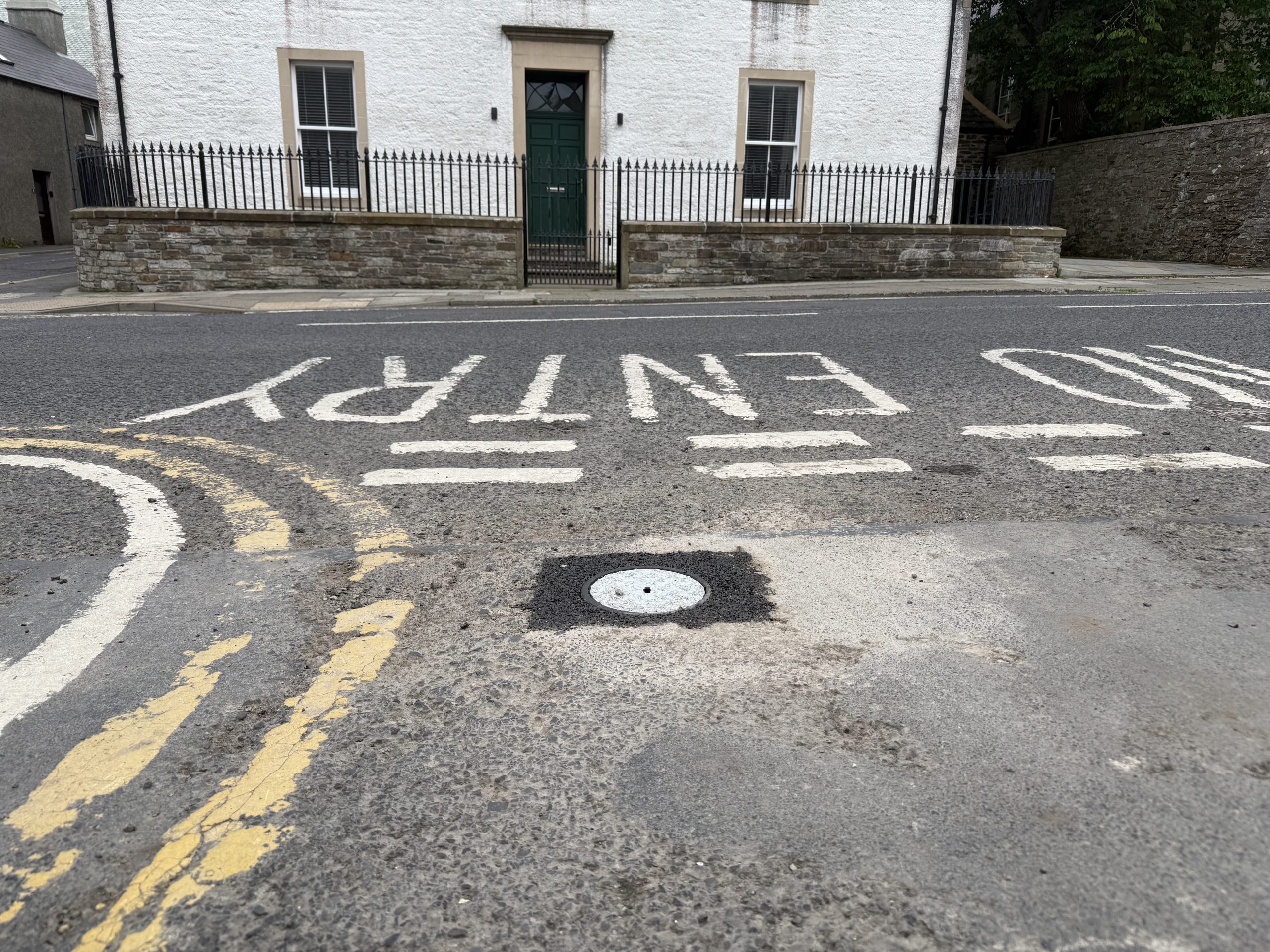
The council has taken steps to explain the appearance of new bollards around Kirkwall after upset over their appearance at the top of Laing Street.
The erection of the removable bollards on Monday came as a shock to some residents, according to Councillor John Ross Scott, who said he also hadn’t been aware that they were due to appear on his patch.
OIC has, this Tuesday, said that most of the bollards will fulfil the same purpose as road closed signs used on days when more than 3,000 cruise ship passengers are expected. There is also to be a new permanent bollard placed close to the bottom of the Strynd to prevent illegal parking.
The council claims the installation and removal of bollards is a more effective method of traffic enforcement that “unwieldy” and “unsightly” road signs.
The authority has said that the erection of new bollards at various locations across the town centre is unrelated to traffic management proposals rejected by councillors, last September, which would have effectively banned most drivers from much of the town centre.
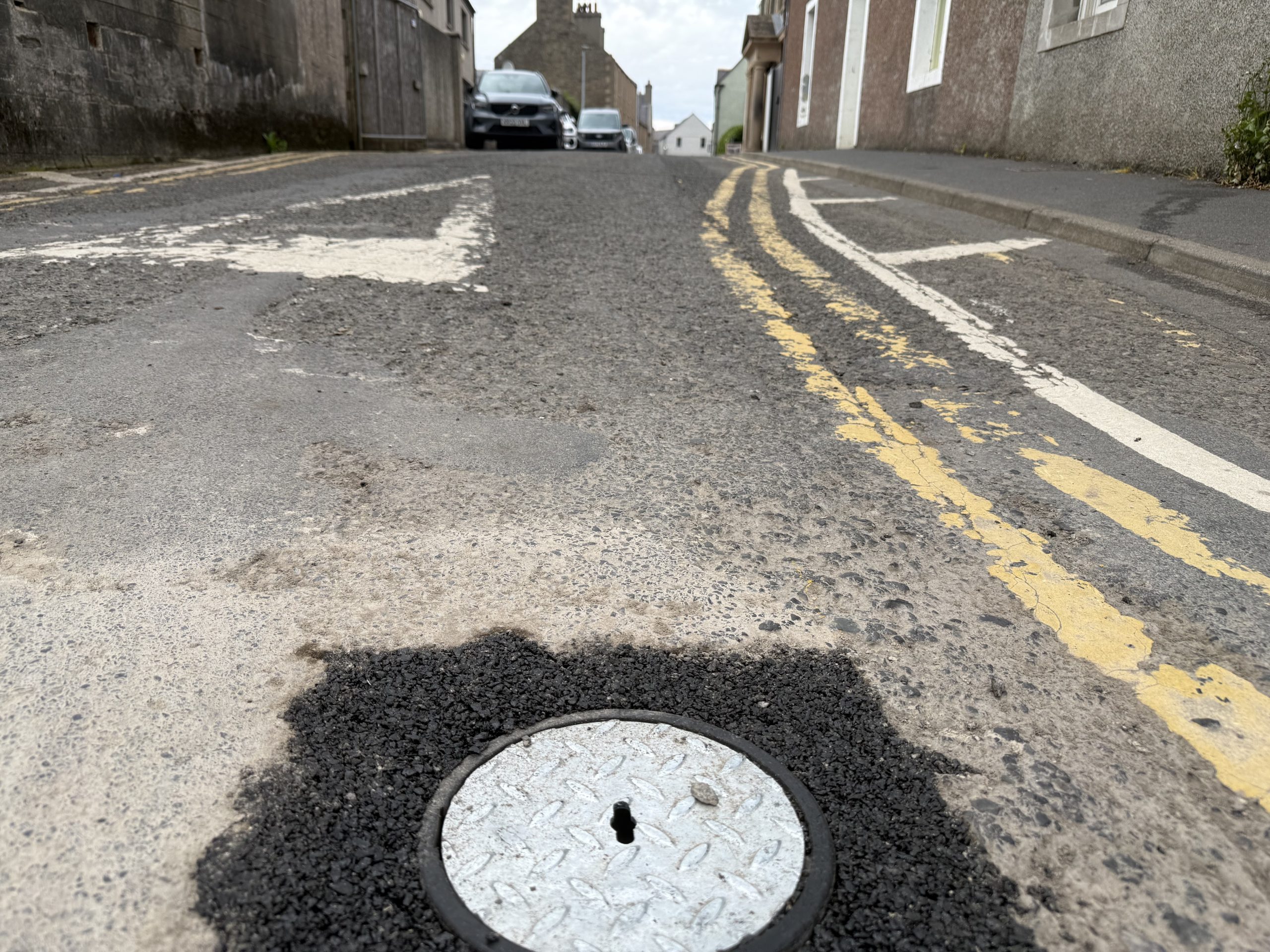
A council spokeswoman said: “The bollard fixings are being installed at the locations where we already place road closed signs when the street is closed — therefore the top of Laing Street, Bridge Street Wynd, St Olafs Wynd and at the head of Albert Street.
“A similar bollard fixing is already in place at the bottom of Bridge Street.
“The bollards are stored elsewhere and erected as and when the street is closed.
“It’s therefore not a new thing — just a different way of doing it — and is completely unrelated to Elected Members previous consideration of traffic orders prohibiting vehicles on the main street in Kirkwall.
“Street closures are put in place to ensure pedestrian and driver safety on specific days when there are over 3,000 cruise passengers expected but also for community events such as parades. Between April and October this year there were due to be a total of 24 days when the street is closed, with 15 of these remaining.
“We keep these closures under review and do not put them in place if the final passenger number is under 3,000.
“As well as avoiding unsightly and unwieldy road signs, using bollards is a more cost-effective and efficient way of managing these street closures.
“Previously street closures required a crew and vehicle to attend each site with signs and sandbags at the start and end of each closure — whilst erecting the bollards will still require staff time it will be a much simpler task.
“We’ve also experienced issues in the past with vehicle drivers committing an offence by moving the signs, ignoring the street closure and driving through the street anyway — this will avoid that from happening.
“It should be noted that as part of the work a permanent bollard is also being installed outside Foubister and Bain. This is to avoid illegal parking in that area which has been preventing street cleaner access to The Strynd.”