Second stoat spotted in Rousay sparking ‘deep concern’ for ONWP
A second stoat has been discovered in Rousay, just a fortnight after the capture of what was believed to be the island’s only specimen.
Orkney Native Wildlife Project (ONWP) has called the sighting of the invasive predator a “deeply concerning development”.
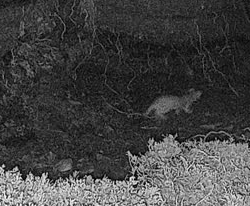
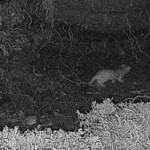
The non-native mustelid was spotted on a trail camera, this week, re-launching the eradication effort in the island.
ONWP previously thought there was just one male stoat in Rousay, which was caught in a trap two weeks ago in a £150,000 hunt.
The confirmation of another mustelid in the island comes is a fresh blow for the £16 million eradication effort, which does not know for sure how the animals have reached Rousay.
Images of the new stoat were captured by the shores of the Loch of Loomachun, on Wednesday, October 21, and confirmed by staff the following day.
ONWP staff will be in Rousay this Friday, checking traps and cameras in the area with volunteers.
There are 179 additional traps on the island, placed during the incursion response, and 76 cameras (including 41 AI cameras).
The project team will be keeping these tools in place, and plan to intensify the large-scale deployment of trail cameras, to closely monitor as much of the island as possible.
Project manager Sarah Sankey said: “This is obviously a deeply concerning development, and it’s especially unfortunate it has happened just weeks after the successful removal of the first invasive stoat from Rousay.
“This time, however, we have the advantage of all the additional biosecurity infrastructure, which is still in place from the first response.”
The first stoat, a male, was caught on Friday, October 9, six months after its presence was first reported.
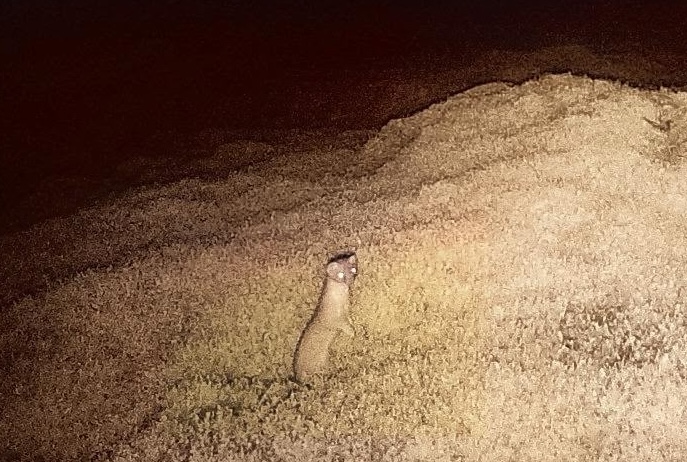
It was found in a trap near the Loch of Loomachun, where the second invasive predator has now been spotted.
At that time, ONWP said it had found no evidence of any more of the invasive mustelids in Rousay.
However, the project team say that the traps and cameras already in place, alongside the efforts of volunteers, will help them make “quick progress” in catching the second stoat.
Mr Sankey added: “Our immediate priorities are to catch the stoat and confirm there are no others on the island.
“We will look to repeat testing on any fresh scat to help determine whether this new stoat is male or female.
“In the future, working with our partners at Cardiff University, we should be able to use DNA to work out how closely this animal is related to the first stoat caught on October 9 and learn where in Mainland Orkney and the Linked Isles they came from which will help confirm how they got to Rousay.”
She added that she had “every confidence” that ONWP will succeed in removing the second stoat.
ONWP says it cannot be certain how and when this stoat arrived in Rousay.
It says stoats are strong swimmers and they could have swam across Eynhallow Sound to arrive on the island.
It is also possible that somebody broke the law by releasing the invasive animal deliberately.
Future DNA testing may be able to confirm the stoats’ origins, ONWP says.