Dairy farm project has ‘a crucial role to play’

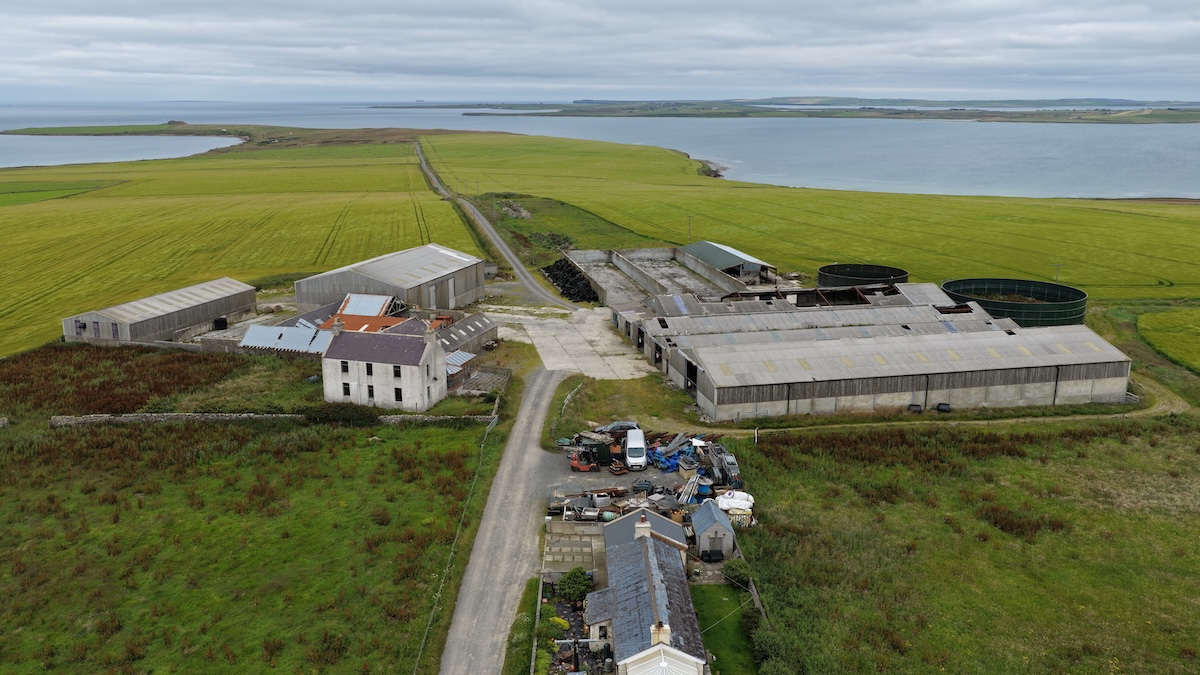
Orkney Islands Council (OIC) has spent over £60,000 as it looks to revitalise a farm in St Ola.
The authority is still working on proposals to develop Seatter Farm into a “modern dairy unit,” though no firm investment decisions have been made.
First purchased by OIC in 1990, the council confirmed that change was on the horizon at the 360-acre business, after the previous tenant left in March last year.
The authority said, in May 2025, that it was working with Orkney Cheese towards the long-term aim of reinstating milk production at Seatter Farm.
Since March 2025, OIC has spent £61,300 on the farm, and earned an income of £35,200 over the same period, as it rents out the land.
There have been no updates from OIC on the project, but the authority has hired SRUC to examine the best options for the farm.
The study, provided to The Orcadian following a Freedom of Information request, concludes that Seatter could make an important difference for the dairy sector.
The report, dated September 2025, states that the combination of the land at Seatter and OIC offering to fund a modern dairy unit creates “an amazing opportunity” for a new tenant.
This should also strengthen the position of Orkney Creamery and the wider Orkney dairy industry, the report continues.
SRUC said it would be beyond the council’s plans to offer the tenancy to a new entrant to the industry, unless they have “significant capital backing” from an existing farm.
“However, with the significant level of investment being proposed by Orkney Island Council, Seatter will offer a tremendous opportunity for an existing dairy farmer/dairy business to ‘trade up'” the study says.
The consultants expect the farm will attract a good level of interest from possible tenants across the country.
Various herd sizes were considered, with SRUC finding that having between 120 and 200 cows would generate a “good level of profit” while still allowing extra funding to be re-invested into the business.
From the Orkney Creamery’s point of view, a herd size of 175-200 was preferable to meet the shortfall in milk production in the county at the time the report was written.
SRUC also looked into the possibility of an organic dairy or “high milk quality jersey dairy system” but found that these wouldn’t provided the necessary boost in milk output.
But, if Seatter Farm became a productive dairy unit, other farms could specialise into these areas, the report adds.
If the project is to work, the study says it is crucial to find a suitable tenant — one who can run the farm, and fit in within the local dairy industry.
“Overall, this exciting project has a crucial role to play in supporting the dairy industry in Orkney to produce a critical volume of milk to sustain the Orkney Creamery business in addition to developing a productive farm on the island,” the report concludes.
“It will also help to sustain, develop and grow the agricultural community in Orkney.”
A spokesman for OIC said the council has been carrying out improvement works on the land and buildings at Seatter Farm following the end of the previous tenancy in March 2025.
He added: “Plans are being developed to reintroduce Seatter Farm as a modern dairy unit in order to support the dairy sector in Orkney by helping to maintain milk volumes and thereby retaining value within the local economy.
“No decision has yet been taken on the level of investment required.”
Since the SRUC report was written, the dairy industry has faced a difficult time, amid national reports of the price of milk falling below the cost of supplying it.
The local sector has also been hit by the global oversupply of milk and dairy products, Orkney NFU chairman Stevie Hay told The Orcadian last month.
“It’s the hardest time they have faced for a long time,” he added
“Hopefully it has hit a bottom and by the back end, the price will have started to rise again.”