

Dog welfare under the microscope at stoat scheme

A review has been carried out into the welfare of dogs used by the Orkney Native Wildlife Project (ONWP), it has emerged.
This follows allegations of “over-working”, but the stoat eradication team claim they found “no evidence” to support the concerns.
A former dog handler with ONWP has claimed to The Orcadian that he left the project over his concerns about the detection dogs.
Paul Green, who has worked with dogs for over 20 years, left the stoat scheme earlier this year.
“I couldn’t do it any more because of my concerns for the welfare of the dogs,” said the handler, who worked with ONWP for over a year.
Project manager Sarah Sankey has said “strict processes” are in place to ensure the welfare of the animals, challenging some of Mr Green’s claims.
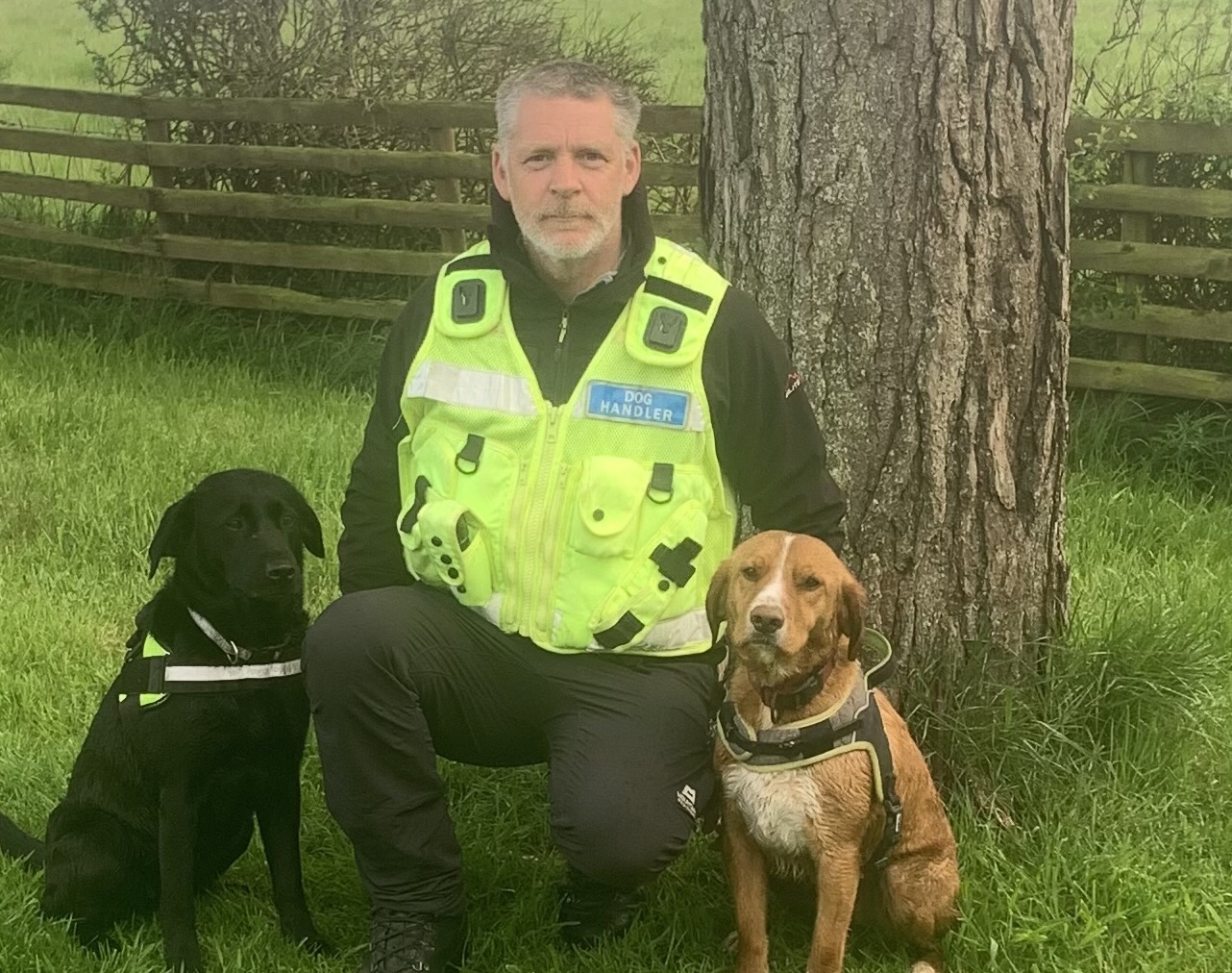
The detection dogs are used by the £16 million project to search for the scent trails and scat of stoats. ONWP says they are the first stoat detection team in Europe.
The recent review into the welfare of the animals was prompted by a concern raised with Orkney Islands Council’s (OIC) trading standards team, which deals with animal welfare issues.
Mr Green, who is based in Cumbria, told The Orcadian it was not him that contacted the council about the dogs.
Mrs Sankey told the newspaper that the council contacted the project about “potential overworking” of the detection canines.
“I have no information about the specific details of this concern, but the project takes the welfare of all our team including the dogs very seriously,” she said.
The ONWP manager added that she personally reviewed the dog activity records thoroughly and reported back to OIC.
Mrs Sankey said: “I found no evidence of the dogs being overworked based on the searches logged on this system.
“The individual circumstances of each dog and potential limitations are also continuously reviewed.
“For example, recently, in conjunction with the team lead and handlers, we have retired one dog and agreed that another would move to biosecurity checks of freight rather than large area searches to help keep them mentally stimulated as we progress them towards retirement.”
ONWP’s efforts have satisfied OIC’s trading standards team. A spokesman for OIC said the department is “satisfied that, at this time, resourcing in place is adequate to monitor and manage the welfare of the dogs.”
He added: “The council does not comment on the specifics of individual matters raised with trading standards, as is standard practice.”
Mr Green told The Orcadian he did not know who contacted OIC, but that he had his own concerns with the project.
He said he was worried by the workload of the dogs, and about the time some hounds spent not being used.
“The problem is they didn’t employ somebody that knows about the dogs in the beginning,” he said.
Mr Green, who has trained dogs to search for explosives and drugs, alleged the project has previously ended up buying expensive and unsuitable dogs.
He claimed individual dogs have cost the project £12,000 and more in some cases.
“We’re talking about a dog that can find one particular scent. It’s one scent. Your pet poodle could do it,” Mr Green alleged.
The newspaper asked the dog hander why more expensive animals were bought by ONWP.
“The whole attitude of the project is ‘because it’s not our money’,” Mr Green claimed
He said he was generally concerned by what he viewed as a lack of independent oversight of the dog detection work at the project.
Mrs Sankey told the newspaper ONWP has “strict processes in place” for dogs welfare, including how they travel in work vehicles and how many searches they do.
“The handlers are required to check the dogs over after every search and to stop their dogs working if they notice any issues and immediately tell their line manager,” the project manager added.
“The dogs receive regular routine vet checks along with ad hoc ones as needed and our dog welfare procedure includes a retirement procedure and options for restricted working following veterinary advice.
“The dogs are an essential part of our team, and we have a duty to ensure they are well-looked after.
“I would encourage anyone with any concerns, no matter how small, to raise them so that they can be investigated and, where necessary, dealt with promptly”.
The Orcadian asked the RSPB, a partner organisation in ONWP, if it was looking into the concerns that have been raised too. We did not receive a response.
“Any concerns raised are always investigated fully by the project team and/or staff independent of the project,” ONWP said.