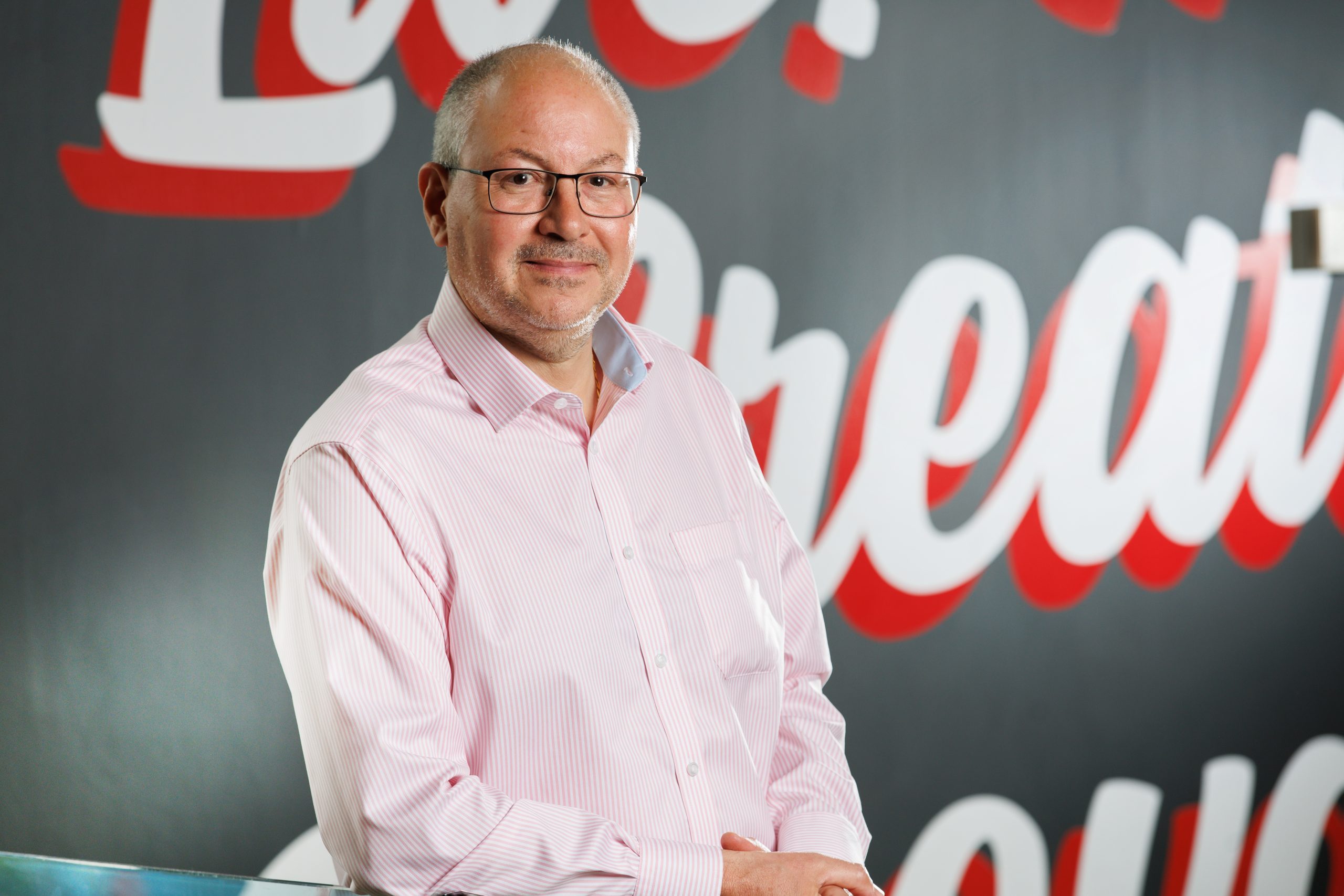

Flight cuts ‘one of the hardest decisions’ says Loganair chief

Loganair’s chief executive has issued a lengthy statement, responding to the public outcry over cuts to island services.
Doubling fuel prices are behind the decision to temporarily cut flights on the “loss-making” Inverness-Kirkwall-Sumburgh route, according to Luke Farajallah.
The airline chief executive has shared hopes to reinstate full service on the route from October, if appropriate funding can be found.
“This has been one of the hardest decisions we have had to make, set against one of the most difficult trading periods the airline industry has seen in recent years with fuel prices doubling in May alone,” said Mr Farajallah in a statement issued more than a week on from the announcement of cuts.
“We recognise the strength of feeling across island communities about the future of lifeline air services from Inverness to the Northern and Western Isles, and we understand how important these connections are for healthcare, work, education, and family life.
“The Inverness–Stornoway and Inverness–Kirkwall–Sumburgh routes matter enormously to us, as do the communities they serve.
“Following many months of discussion with HIAL, Transport Scotland and other stakeholders, services from Inverness will be temporarily reduced from 19 July 2026.
“Assuming the appropriate funding can be found, we are ready to reinstate and resume this service from October”
Mr Farajallah said that the route, which are operated commercially, have been “loss-making for a sustained period”.
He continued: “The recent increase in fuel prices, together with escalations in aircraft repair costs, airport fees and route charges, mean that Loganair, HIAL and Transport Scotland must find a way to sustain lifeline routes where passenger numbers are limited.
“As a privately-owned business, Loganair will always play its part in providing air services where they are most needed in Scotland, but we cannot do this alone, and we cannot continue to absorb structural losses indefinitely without affecting the wider resilience of the airline and the vital services it provides.
“We have worked closely with HIAL, Transport Scotland and other stakeholders to explore every available option.
“The shortfall in the proposal put forward was disappointing, but we remain ready and willing to return to the previous level of flying if a sustainable funding solution can be agreed and we want Transport Scotland and the Government to move quickly in the interest of islanders.
“More broadly, this highlights an important policy question about how essential regional connectivity by air is supported where routes cannot be sustained commercially.
“The UK is an anomaly in this respect with no short- or medium-term strategy on how these services can be protected. Other lifeline transport links benefit from clearer long-term public support, and regional aviation should be part of that same strategic conversation.
“We do not take these decisions lightly. These routes matter to us and to the communities they serve, but we must balance that commitment with the long-term sustainability of Loganair and the wider network those communities also rely on. With four UK airlines entering administration in the last nine months alone, the need to adapt to remain resilient has never been clearer.
“All other routes across the Scottish Highlands and Islands remain unchanged, and we remain focused on protecting essential connectivity while working constructively on a sustainable long-term solution.”