Scapa Flow fisherman left fearing for the future after government-enforced net change

One man has been left fearing for his livelihood, and the future of one of Orkney’s most prized shellfish products.
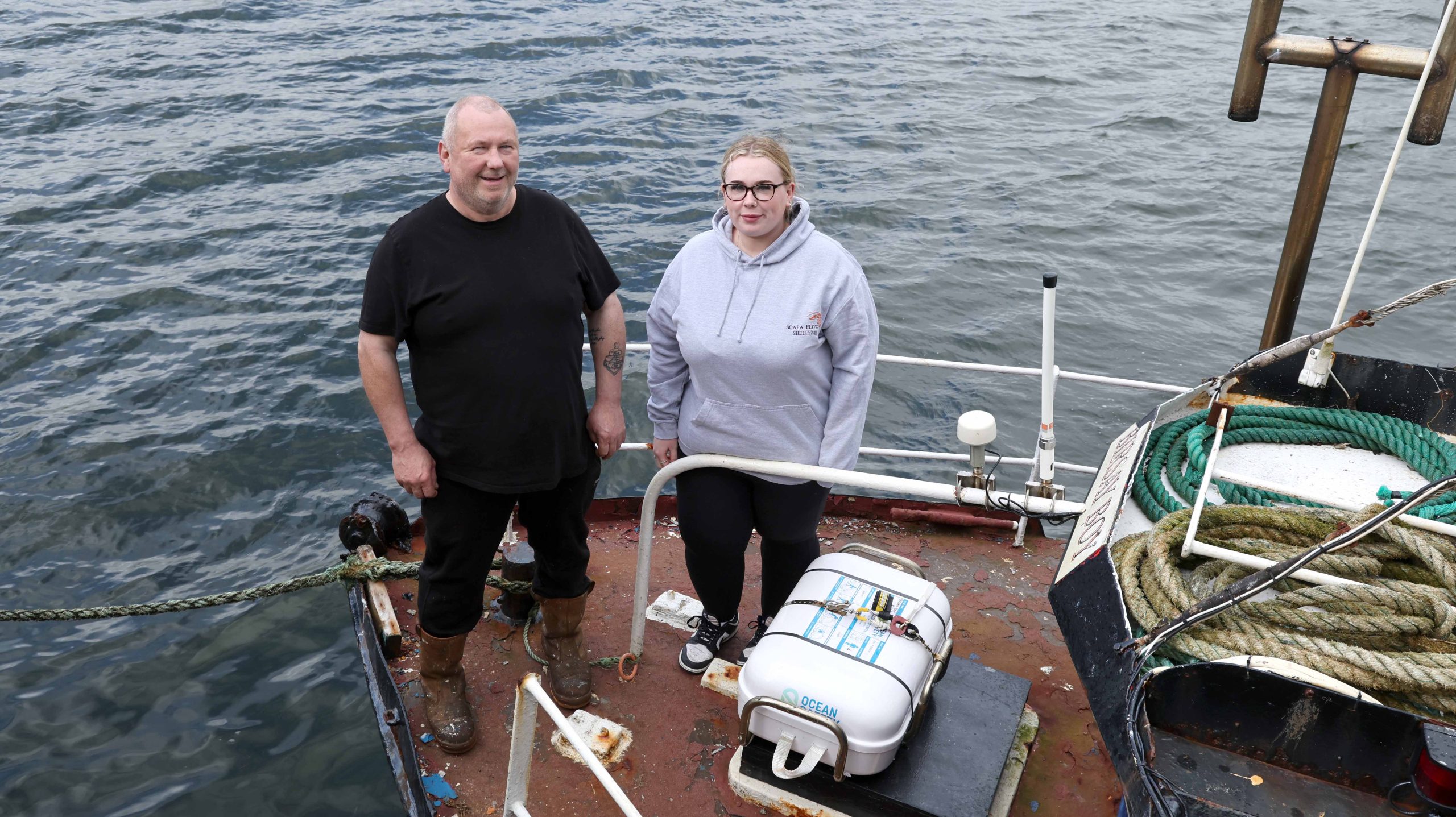
Ian Spence supplies fresh locally caught langoustines from the waters of Scapa Flow to restaurants and to private homes.
Once a buoyant and booming trade, Ian has been left struggling to make a living, after a change of government regulations on the size of mesh used in his nets.
He has been forced to take a nightshift job in Tesco, and he fears that, should there be no government U-turn, he will be forced to walk away from an industry he has worked in his entire life.
He has been at loggerheads with the Scottish Government over the issue, believing the change in mesh sizes to be unjustifiable within the confines of Scapa Flow.
Despite lobbying by Liam McArthur MSP and Orkney Fisheries Association, he has been consistently frustrated by the government’s refusal to change tack.
‘Fish law’ has been devastating for shellfish fisherman
Under the North Sea Cod Avoidance Plan (NCAP) — the nationally agreed plan to support the recovery of the North Sea cod stock — parts of Scapa Flow are not a designated mud area (DMA).
This was after a scientific recommendation not to give Scapa Flow the special designation due to the “very small area of Nephrops sediment (mud)”.
That means that anyone fishing in the flow are obligated to use a minimum gear size of 120mm, and not 80mm were parts of Scapa Flow a DMA.
The change to 120mm is aimed at protecting juvenile fish such as cod and haddock.
But Mr Spence says that very few are found in Scapa Flow. In the 40 years he has been scouring the Flow for langoustines, he has found one cod in his catch, he says.
It is, according to Mr Spence, a law aimed at protecting fish in an area where there are little fish.
The impact of having to comply with NCAP has been devastating for Mr Spence.
Catches have halved, leaving him struggling to catch enough to not only meet demand but make it a viable employment.
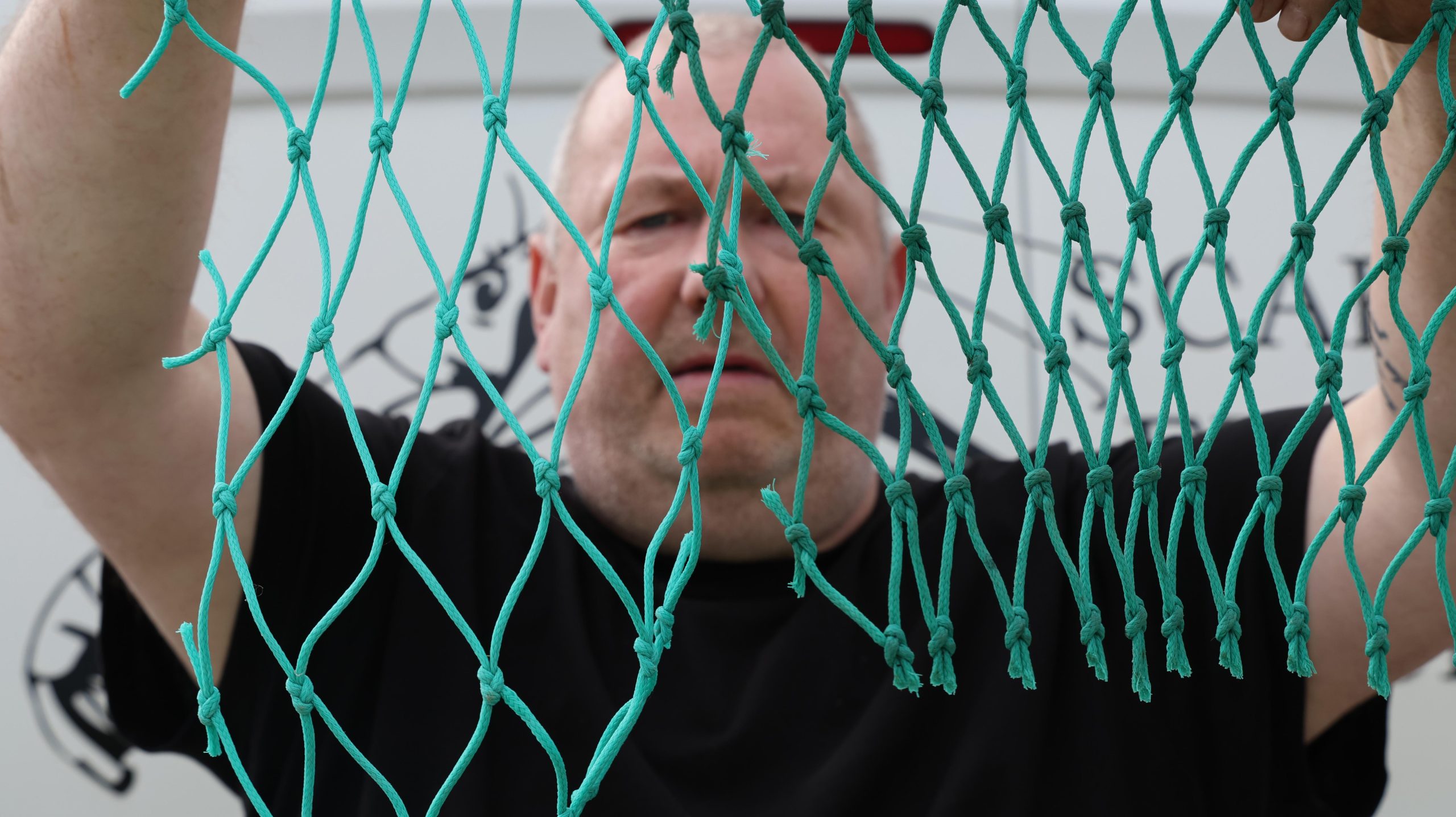
He claims that switching to a 120mm net has cost him “thousands of pounds” in reduced catches and new gear.
‘Impossible’ to sustain future of industry
Mr Spence, who lives in Kirkwall, says: “I started doing night work at Tesco, about two year ago.
“I found that it was just unviable, especially in the winter time, because you don’t catch as much langoustines in the winter time, but especially with 120mm on. You would certainly not catch anything.”
Should there be no change to mesh sizes, Mr Spence sees no alternative other than to pack up and leave an industry which has been a way of life for him.
“I don’t think that in the future it can be sustained, you know, it can’t be a viable industry at 120mm. It can’t be, it’s impossible.”
A Scottish Government study to determine the presence of sharks, skates and rays, and junior fish, in Scapa Flow took place in September, 2025.
When The Orcadian asked for the results of the survey, a Scottish Government spokeswoman told the newspaper that analysis of the data was still ongoing so no further detail could be provided.
MSP calls for government u-turn
Orkney’s MSP Mr McArthur said he was “disappointed” at the refusal to classify parts of Scapa Flow as a DMA.
“This decision appears at odds with the approach taken to similar seabed conditions, for example in the Moray Firth. It also puts at risk the future of an important local nephrops fishery.
“I met with the former fisheries secretary, Mairi Gougeon, on various occasions to make the case for Scapa Flow’s inclusion as a DMA.
“The case was built on detailed evidence from Orkney Fisheries Association, showing how the fishery could be managed sustainably without the need to increase mesh sizes to 120mm.
“The rejection of that argument will undermine livelihoods and is inconsistent with the approach taken elsewhere in Scotland. Even at this late stage, I would urge the Scottish Government to revise its position.”
Government position based on ‘available scientific evidence’
A Scottish Government spokesperson said it understood the concerns raised, but that the refusal for designation was based on scientific data analysis.
“The request to designate parts of Scapa Flow as a Designated Mud Area under the North Sea Cod Avoidance Plan was carefully considered against the available scientific evidence,” said the spokesperson.
“Following representations from the Orkney Fisheries Association in April 2025 and discussions with Ministers, officials reviewed the original scientific evidence and sought further advice, which did not identify grounds to change the original position.
“We do not accept suggestions that the decision was inconsistent or the result of an oversight.
“The area was considered as part of the original process and fisheries management decisions must be based on evidence and applied consistently across Scotland.
“Nephrops fishing continues to take place in designated mud areas elsewhere in Scotland and opportunities remain for nephrops fishing in Scapa Flow using creel gear.
“We remain committed to supporting a sustainable and profitable fishing industry while working closely with fishing communities and stakeholders across Scotland.”