How has marine energy impacted you?

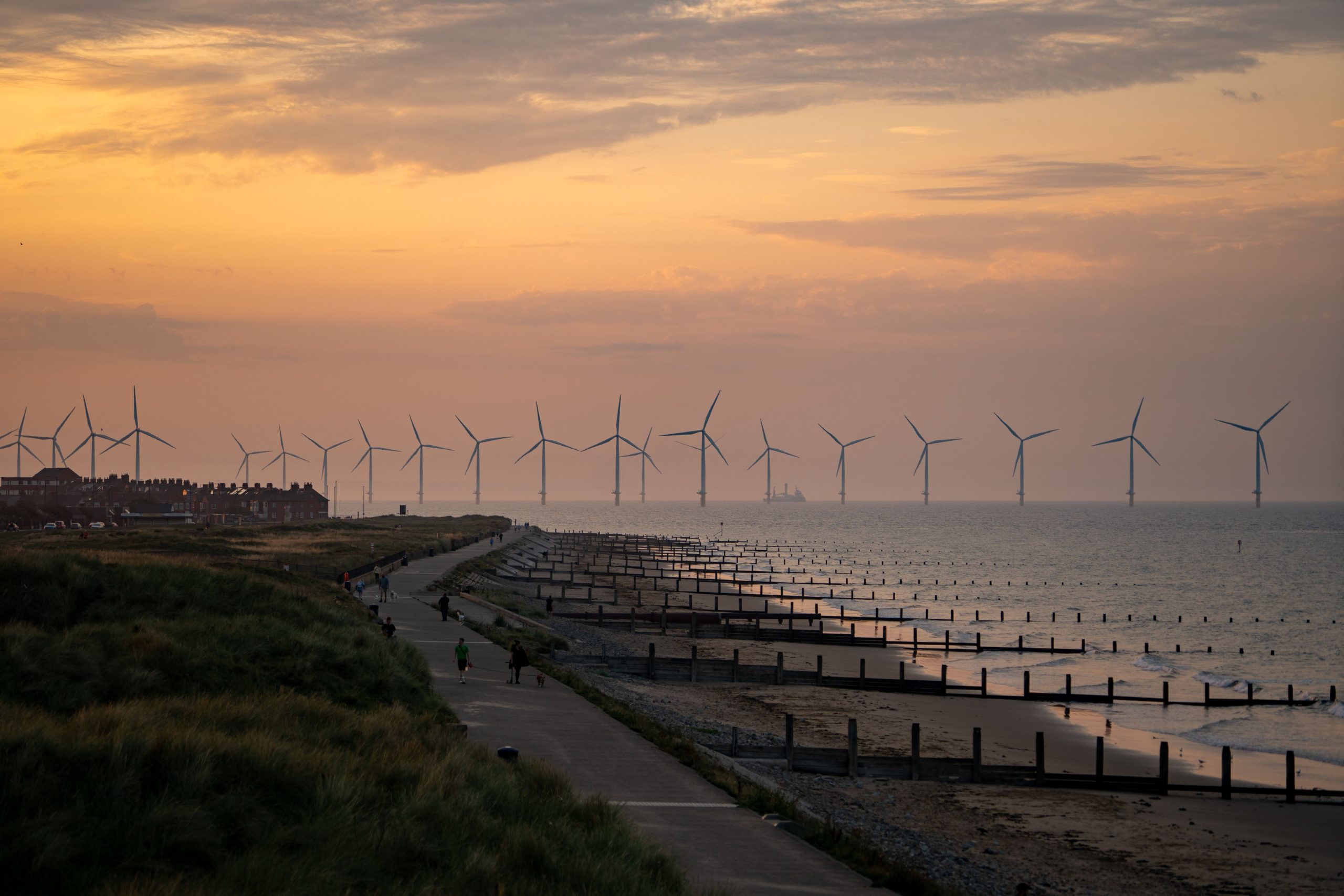
A new research project hopes to drill deeper into the social and cultural impact of the marine energy industry, with a particular focus on Orkney.
Heriot-Watt University, which has a base in Stromness, is leading the research, which aims to discover how the marine energy industry has affected work and training opportunities, housing, access to coastal areas, visual changes, and a sense of identity and belonging.
As part of the research, a survey has been launched to help gain understanding of people’s experiences and the impact that it has had on them.
Dr Sofie Illemann Jæger explained that researchers hoped to collect as much information as possible, particularly from those living in close proximity to oil and gas, and offshore wind.
This is focused on Orkney, the east coast of Scotland and the Humber region in north-east England.
“Our overall intention for the research is to help communities, policymakers, researchers, and industry members better understand how marine energy industries — and especially transitions between them — affect communities in diverse and significant ways that extend beyond economic and technical impacts,” said Dr Illemann Jaeger.
“Marine energy industries have both positive and negative impacts on communities, and we must gain a better understanding of their social and cultural effects.
“We want to contribute to a stronger evidence base for research and policy on how communities experience these impacts, to better represent community perspectives and the complex dynamics surrounding the negotiations, trade-offs, and considerations concerning how these impacts are shared, managed, and experienced.”
Bringing together researchers from the natural and social sciences, as well as the humanities and the arts, the project will examine the impact of three energy periods on the communities.
These periods centre on the whaling, oil and gas, and renewables industries.
The research will investigate the different impacts (negative and positive) that communities have experienced during these energy periods and transitions to understand how to better create resilient policy planning for coastal communities’ relationship with current and future marine energy industries.
To take part in the survey, click here.