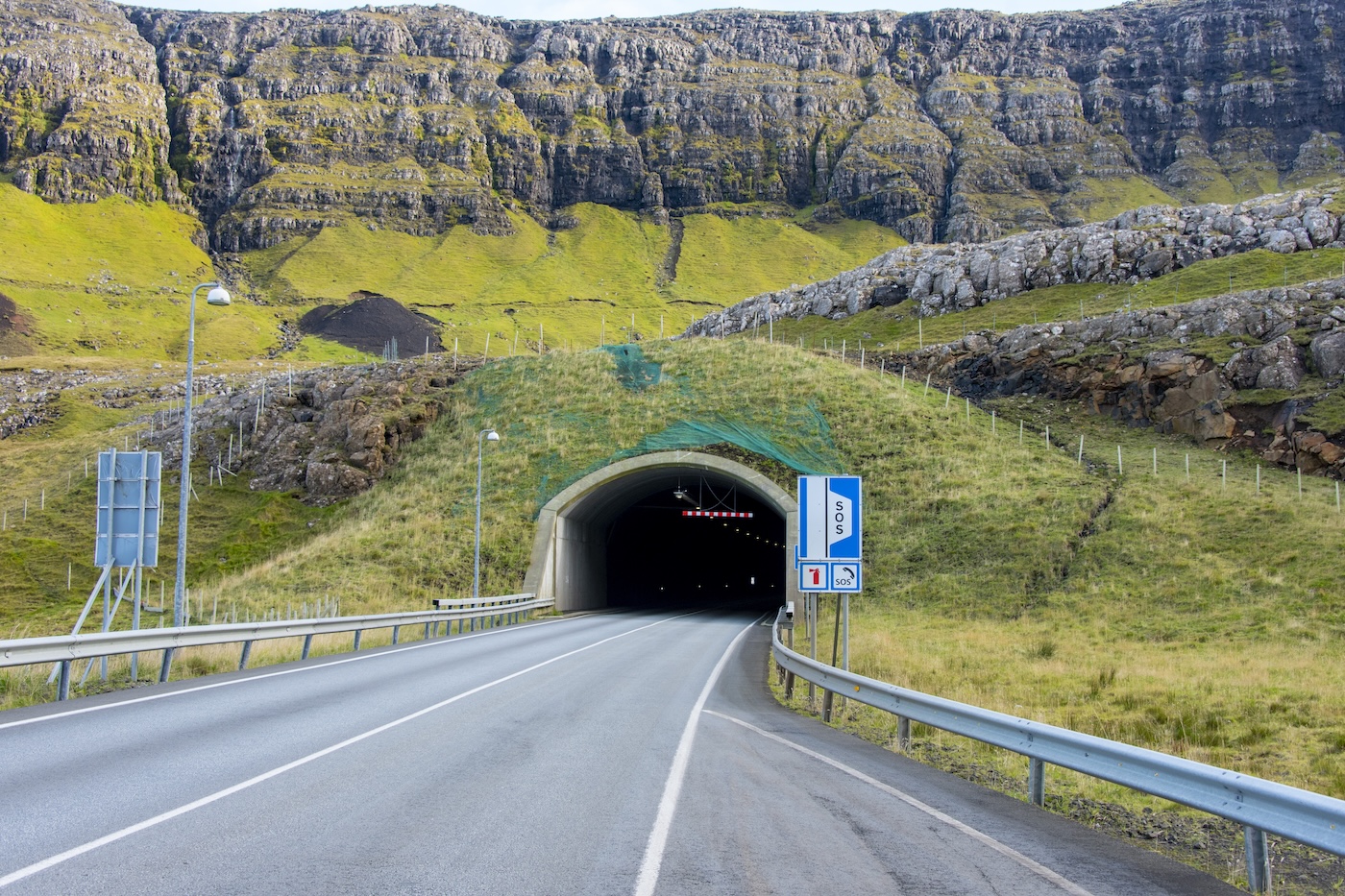
Special Report: Is there light at the end of the tunnel?
As Shetland’s ambitions for subsea transport take step forward, we look at the future of links closer to home

“Proper” consideration must be given to fixed links in Orkney, according to Liam McArthur MSP.
As Shetland’s tunnel ambitions take a step forward, where does this leave the future direction of travel for Orkney?
The islands council has told The Orcadian it “remains open” to exploring fixed links.
Yet the focus is firmly on replacing the inter-island ferries, with the only fixed link project mooted in the county not progressing for five years.
Meanwhile, Shetland councillors approved a plan last month which could see two subsea tunnels built, after securing £23 million from the Scottish Government for “pre-construction activity.”
Replacing Orkney’s ageing ferry fleet must be the immediate priority, says Mr McArthur MSP.
“The replacement of Orkney’s ferry fleet must remain the key priority in the immediate term, and attention is rightly focused on delivering new vessels,” said Mr McArthur.
“We must also start giving proper consideration to how fixed links might operate in an Orkney context.
“From my regular visits to Orkney’s smaller isles over recent years, I’m aware that discussions around the potential for fixed links are already taking place.
“I’d urge OIC and Scottish Government to engage with those discussions and facilitate a process for taking forward options.
“If we can learn anything from the process taking place in Shetland, however, it’s that any work in this area must be informed by the needs of the communities who will most rely on the links.
“That must be the approach in Orkney as well.”
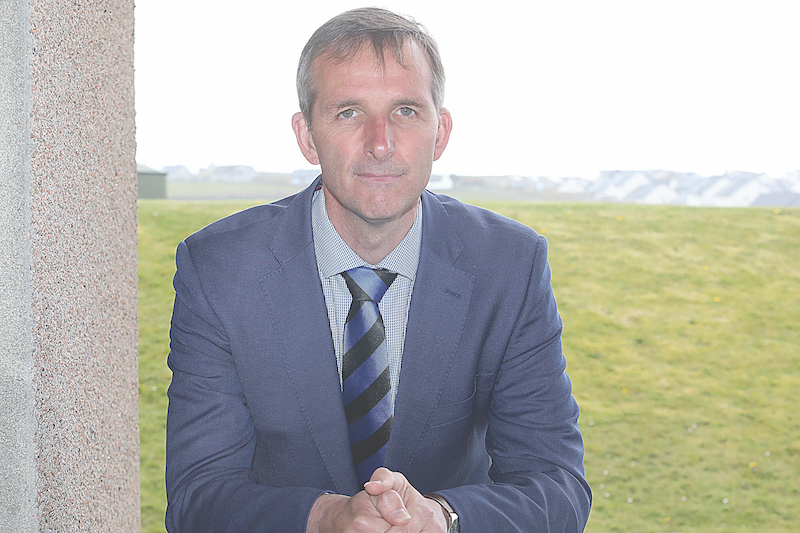
Shetland Islands Council’s decision on Wednesday, September 23, will see initial plans for a tunnel from Shetland’s mainland to Yell progress first. These are to be followed by a tunnel from Yell to Unst.
Both projects are dependent on full funding being secured. Just the first tunnel to Yell is estimated by consultants to cost £525 million. The second fixed link to Unst is costed out at £505 million.
And while the programme could cost more than £1 billion, council chiefs have said that tunnels would be cheaper in the long-term as an alternative to the building and running of new ferries.
Even longer term plans in Shetland include tunnels to Bressay and Whalsay.
Alistair Carmichael MP has been heavily involved in the conversation surrounding tunnels in Shetland.
He has championed the potential for subsea tunnels to replace fragile ferry services and initiated a series of community roadshows on the fixed-link transport future held over the summer.
Mr Carmichael is convinced that when the first subsea link opens in Shetland, it will be a moment for Orkney to reflect and learn lessons from the drive further north.
He said: “The campaign for tunnels in Shetland has made steady and sustained progress over recent years and I am glad that we are at a point where serious discussions are being had about funding and putting spades in the ground for the first link.
“Tunnels have the potential to be transformative for the isles — if we get this right.”
Despite his advocacy for a subsea transport future, Mr Carmichael struck a note of caution, saying that what works in Shetland might not work in Orkney, with discussions here not as advanced.
“Even so, when that first tunnel opens in Shetland, I suspect it will be a moment when many people take notice and think more seriously about whether those lessons can or should be applied in Orkney,” the MP said.
The clinching of £23 million of Scottish Government funding by Shetland to fund design work and environmental surveys has shone a greater spotlight on what is going on here — or not so as may be the case.
But it is not the first time in recent months that discussions have been had on the future appetite for some islands to be linked permanently.
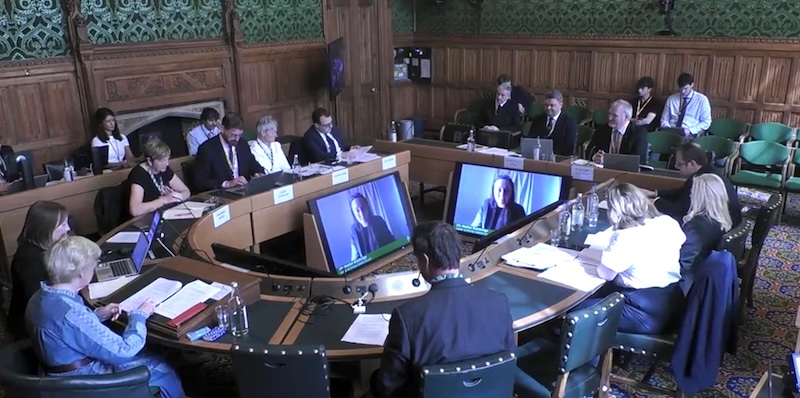
Earlier this year, council leader Councillor Heather Woodbridge shared her thoughts on fixed links with a UK Government Select Committee.
During the May hearing, she said “the appetite is absolutely there” for fixed links in the county, but that any money to explore these would have to come from government.
One study after another in Orkney
A delve into The Orcadian’s archive shows that fixed links have been mooted several times over the years.
But, study after study, plans have failed to materialise into concrete action.
Just last week, a chance search through our 2001 editions revealed the headline “Costs are knockout blow to causeways.”
OIC’s transportation committee heard that it would cost £350 million to build five causeways between the isles.
Councillors again considered fixed links in 2014, but the ambitious infrastructure was soon off the agenda.
More recent OIC studies only came to light last year following a Freedom of Information request by The Orcadian.
One report, from 2021, explored a connection between Rousay and Egilsay, estimated at costing £26.6 million and potentially rising to £40 million.
Another study in 2022 examined how a network of bridges could join Eday, Faray and Westray. The price tag for this was between £175 million and £200 million.
Further work on the Rousay-Egilsay connection was voted for by councillors in 2022, but this has never happened.
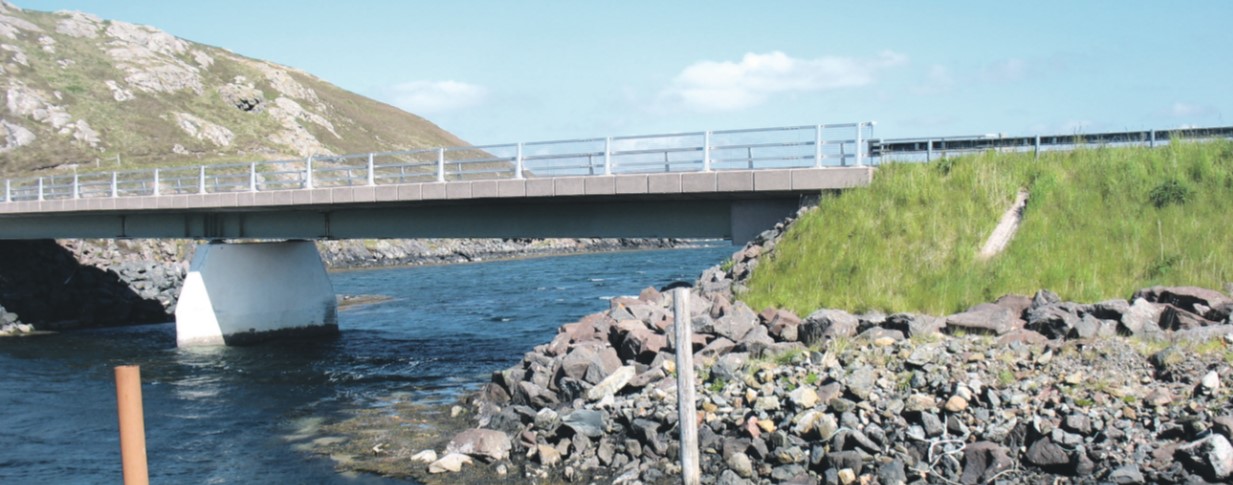
OIC ‘not ruling out’ fixed links
The Orcadian’s request for an interview with an official at OIC on fixed links in light of developments up north was refused this week.
In a statement, the authority said it will continue to follow the developments further north with interest.
An OIC spokeswoman said: “Our circumstances are, however, different from those in Shetland.
“We have a larger number of ferry-linked islands, with many journeys lasting an hour or more, meaning ferries will continue to play an essential role in maintaining connectivity across our island network.
“Orkney’s geology is also significantly different from Shetland or the Faroe Islands — tunnels would be very challenging over these distances and likely require significant revenue for maintenance and running costs so may not deliver the same reductions in operating costs when compared with ferries — making a business case more challenging.”
The immediate priority of OIC is its ferry replacement programme, and investing in harbours to support the new boats.
“We remain open to exploring fixed links where they may offer benefits for island communities in the future,” the OIC spokeswoman said.
The council emphasised that the Rousay-Egilsay and Eday-Westray studies were “exploratory in nature” and are not “formal proposals or commitments” of the authority.
Asked about the decision of councillors in 2022 to further explore the Rousay link, the spokeswoman confirmed no work had been done.
She added: “We are not ruling out fixed links as a future option where they can improve connectivity and support sustainable island populations.
“However, given the age of the current ferry fleet and the scale of investment required to maintain lifeline services, replacing ferries remains the clear priority for Orkney at this time.”