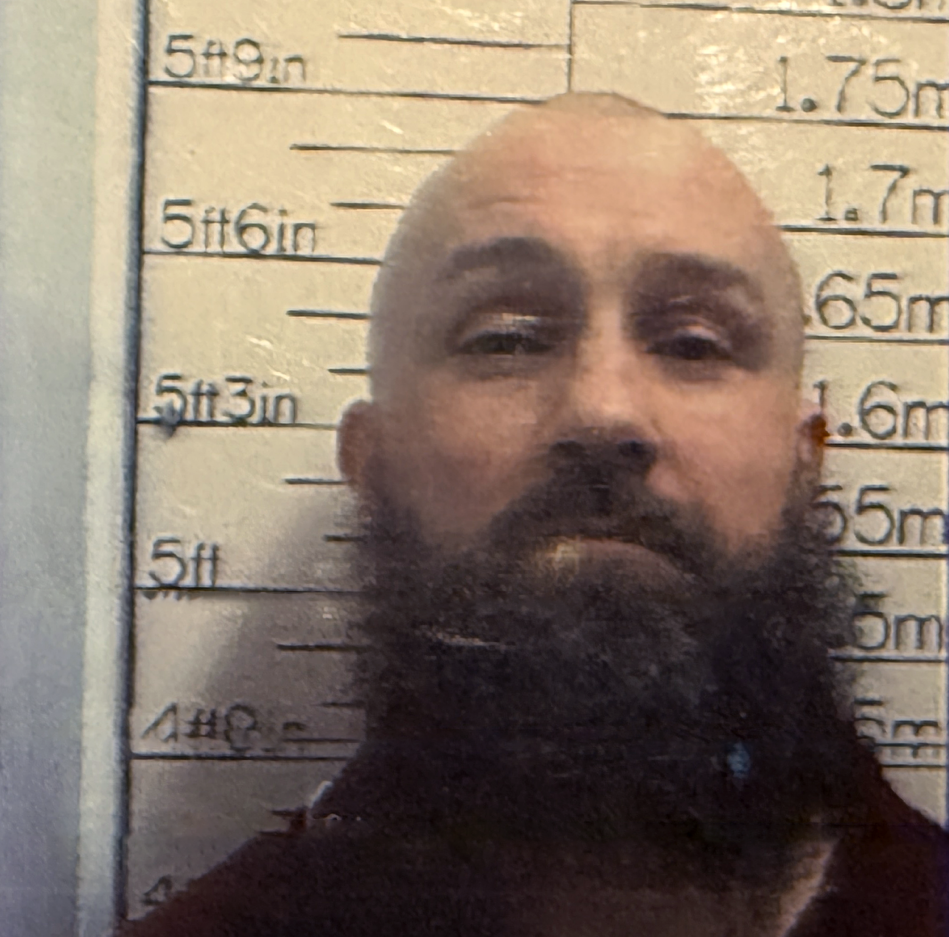
EXCLUSIVE: Ross speaks on new appeal bid
'Several grounds' lodged by campaign group to challenge ex-soldier's conviction for 1994 killing

Michael Ross has said it is “great news” that a full review is to be launched into his murder conviction.
The man jailed for the 1994 Kirkwall killing said “several grounds” are going to be investigated by Scotland’s miscarriage of justice watchdog.
Ross is serving a life sentence for the murder of Bangladeshi waiter Shamsuddin Mahmood, having been convicted of the killing in 2008.
The 48-year-old has always maintained his innocence.
On Friday, September 4, The Orcadian exclusively revealed that the ex-soldier had been granted a fresh opportunity to challenge his conviction.
In the summer he made an application to the Scottish Criminal Cases Review Commission (SCCRC).
The SCCRC has the powers to investigate potential wrongful convictions. It can refer cases back to the appeal court if it believes there may have been a miscarriage of justice.
Ross, now in HMP Grampian, told The Orcadian: “It is great news that the SCCRC have agreed to review my case.
“I have been working towards this for a long time.
“The SCCRC will be looking at several grounds that have been found by the intensive and hard work of my campaign group, with the intent of taking the case to the appeal court and hopefully quashing my conviction.”
The former Black Watch sergeant previously had his case rejected by the appeal court in 2012, and by the SCCRC during an earlier review which concluded in 2015.

‘Major boost’ to J4MR
Five grounds were presented in the submissions by the Justice 4 Michael Ross (J4MR) campaign group, which formed to fight what it believes to be a wrongful conviction.
A spokeswoman for the group said it was a “major boost” that the commission will be launching a full review.
She added: “Obviously the conclusion of the previous review in 2015 was a huge disappointment and we felt that there hadn’t been a thorough investigation of the points we raised.
“Where anomalies were found, the SCCRC tended to give the benefit of doubt to those that worked within the system and the processes they deployed.
“We hope that this review will cover more ground, there will be more interviews of relevant individuals and that they will access more records.”
‘Underhand tactics’ alleged
J4MR is “very keen” that the commission studies police notebooks and takes a detailed look at when Ross became a suspect for the killing.
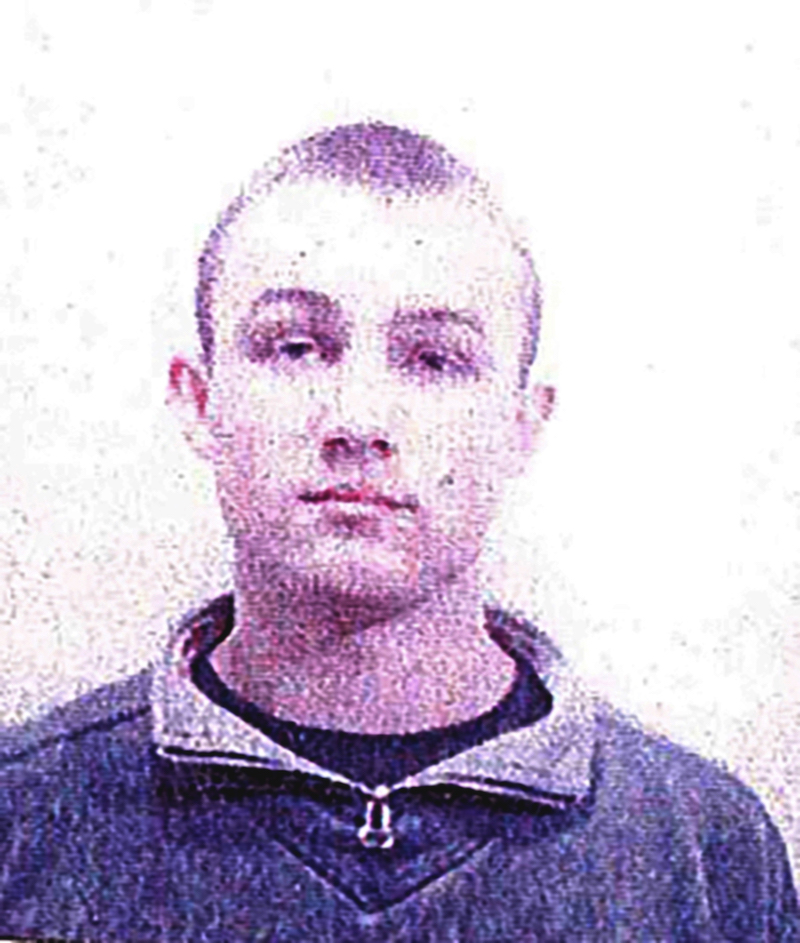
His previous legal team claimed that he had been a suspect during early police interviews in 1994, when the teenager was questioned without a lawyer present.
The previous appeal proceedings rejected claims that playing the audio tapes of these interviews to the jury denied Ross a fair trial.
Last year, The Orcadian reported on never-before-seen court records, saying the teenager was a suspect two months before the contentious interviews.
The J4MR spokeswoman added: “We firmly believe that the evidence that convicted Michael was gained using underhand tactics and that Michael, as a child of 16, had the right to be protected from self-incrimination and police oppression.
“Aside from the tragedy of the devastation to Michael and his family from this miscarriage of justice, our community has been irreparably damaged and there is significant and growing public mistrust in the methods used to achieve a murder conviction in this case.”
The Orcadian approached Ross’s defence team at Aamer Anwar & Co to ask if they planned to lodge their own submissions to the SCCRC. We have not received a response from Mr Anwar or his firm.
Content with verdict
The prosecutor at the 2008 trial, Brian McConnachie KC, also did not respond, when we asked his thoughts on the new SCCRC review.
In an interview with Metro UK last year, the advocate was quoted as saying he did not think there were grounds to appeal the case.
“I think new evidence becoming available is the only way that it would get back into the court,” Mr McConnachie said.
“I haven’t seen or heard anything yet to make me think that the jury got it wrong.”
Speaking to the media after Ross’s conviction in 2008, a brother of Mr Mahmood’s, Abul Shafuddin, made clear his belief in the guilt of the Black Watch sergeant.
The Orcadian approached a niece of Mr Mahmood to ask if the family wished to say anything in response to the news of the fresh SCCRC review. We did not receive a response as we went to press this week.
A ‘vicious, evil’ crime
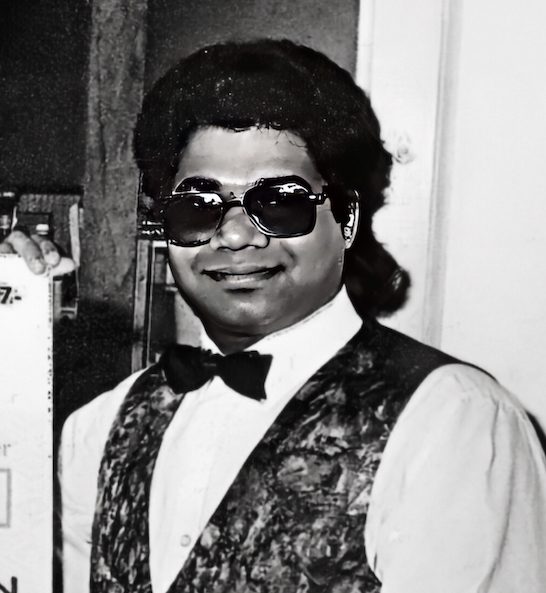
Mr Mahmood was 26 years old when he was shot and killed as he worked at Kirkwall’s Mumutaz Indian Restaurant on the evening of June 2, 1994.
One of the biggest investigations in the history of Northern Constabulary followed.
An early suggestion, revealed in internal police files, was that the Bangladeshi waiter was the victim of a “professional execution”.
The inquiry then took a shocking turn as suspicion homed in on schoolboy Ross.
He had been seen behaving suspiciously in Papdale Woods, wearing a balaclava, two weeks before the killing.
His alibi for the time of the murder didn’t appear to stack up and his father, Eddy, had the same kind of bullets as those used by the killer.
However, the case hit a wall until 2006, and it was not until the emergence of a new witness before the case came to trial two years later.
At the High Court in Glasgow, a jury convicted Ross by a majority verdict.
Judge Lord Hardie said Ross committed a “vicious, evil, unprovoked murder of a defenceless man,” motivated by “extreme racist prejudice.”
Immediately after his conviction, he fled the dock and was later found guilty of being in possession of a cache of weapons in a car parked at a supermarket.
Renewed interest
Recent years have seen the controversial case hit the headlines again.
Two high-profile documentaries aired last year – one on Amazon Prime, and another on BBC Scotland.
During extensive reporting, The Orcadian has revealed a number of fresh insights about the crime.
Earlier this year, the newspaper reported on the findings of a never-before-seen police review, and then revealed that dozens of documents from the investigation had vanished.
Ross also spoke to The Orcadian in 2025, speaking publicly for the first time on the case.
