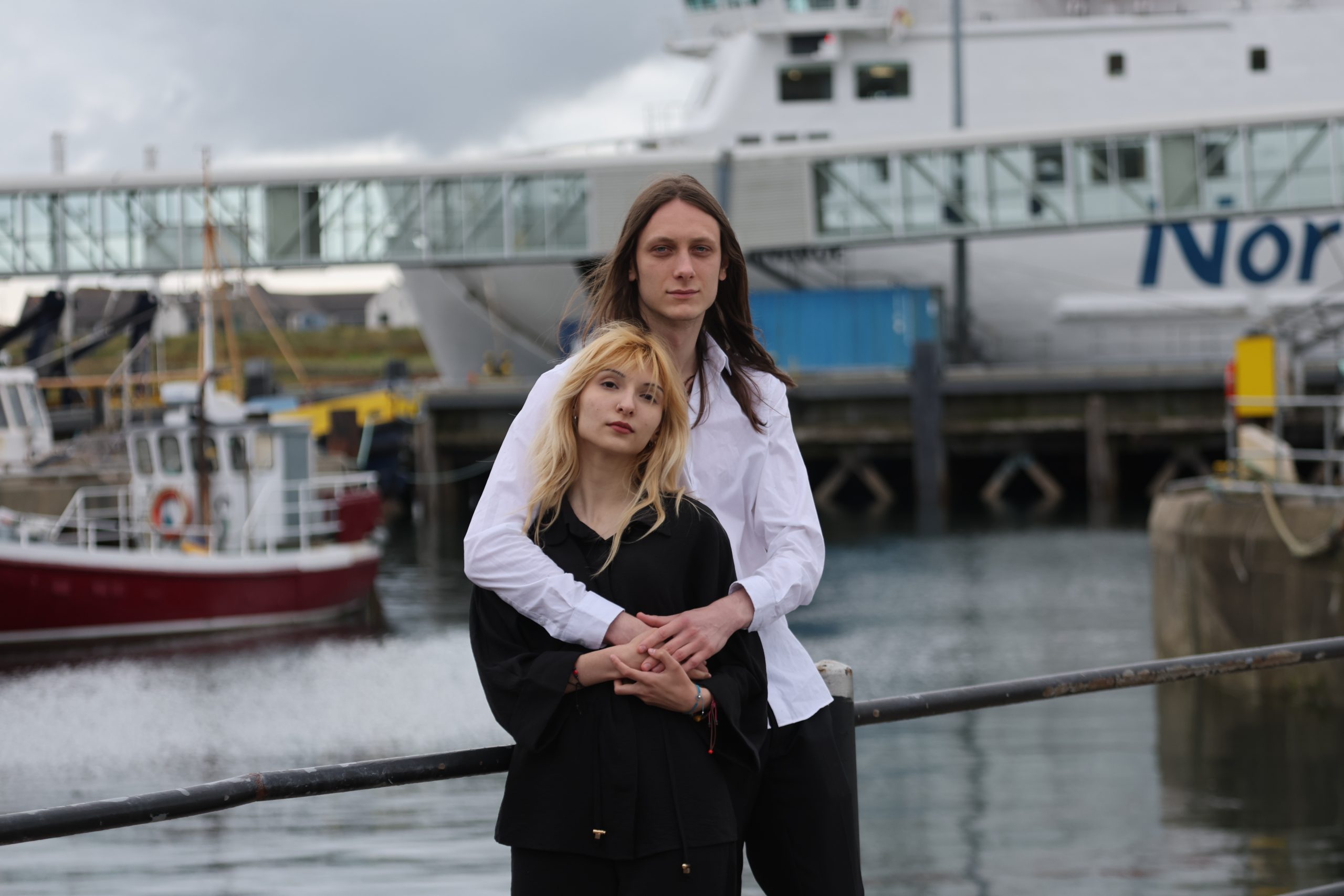
Recalling the horrors of war and finding a home and sense of belonging in Orkney

A Ukrainian woman who feels she can never go home has found a sense of belonging in Orkney, after surviving the abject horrors of war.
Snizhana Lys was 15 years old when Russia invaded her homeland, tearing families apart as innocent civilians were bombed out of their homes and subjected to torture and sexual abuse.
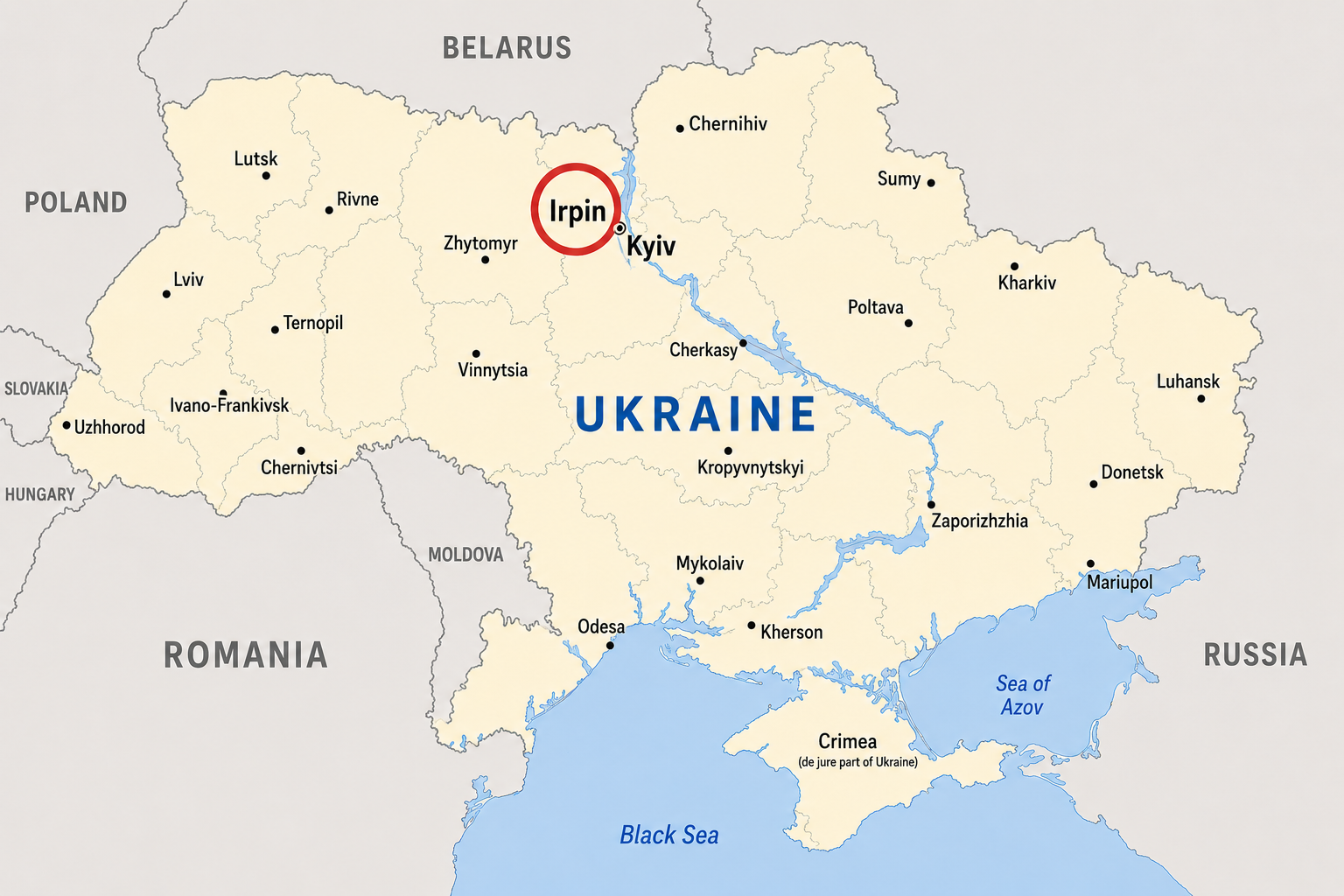
Now living in Stromness on an extended visitor visa, the 20-year-old has recalled how her family hid from soldiers after a bomb blasted through their apartment building in the city of Irpin.
In a bid to put the true terror of the conflict on record, Snizhana shared how she and her loved ones felt like “rabbits trapped with a wolf” as they cowered in a cellar, fearing death or rape at the hands of Russian troops.
The day everything changed
In the hours before the bomb hit on March 5, 2022, Snizhana’s family had received news that her uncle, Vovodymyr Lapytskyi, had been taken hostage by Russian forces.
Vovodymyr, known as Vovchyk to his nearest and dearest, had left home for the city of Bucha, 14 miles away, to try and rescue his girlfriend. It was the last time his family would see him alive.
Vovchyk was known for his sense of humour, his love of cars, and for notoriously forgetting birthdays. His last words to his family came in a phone call to his mother, Snizhana’s grandmother, telling her he had been captured.
“We were just waiting for him,” Snizhana recalled.
“We didn’t think that the Russians could do something awful to him. We just waited, and it was torture to our souls.”
Then came the bomb.
It exploded on the second floor of their building.
They took refuge in their cellar, fearing more bombs hitting their apartment.
Neither she nor her mother Viktoriia, believe in God — but Snizhana recalls that, as they hid in the cellar with gunpowder in their nostrils, her mum began to pray. She prayed for her children to survive.
“I remember voices of Russian soldiers. I remember sounds of glass on the floor and windows exploding,” she told The Orcadian.
Flames flickered through the crack of the cellar door — their only means of escape.
“I thought at this moment that the Russian soldiers will rape us, or we are going to burn alive,” said Snizhana, who was reunited with her childhood best friend and now fiance, Bohdan Honchar, in Orkney, last month.
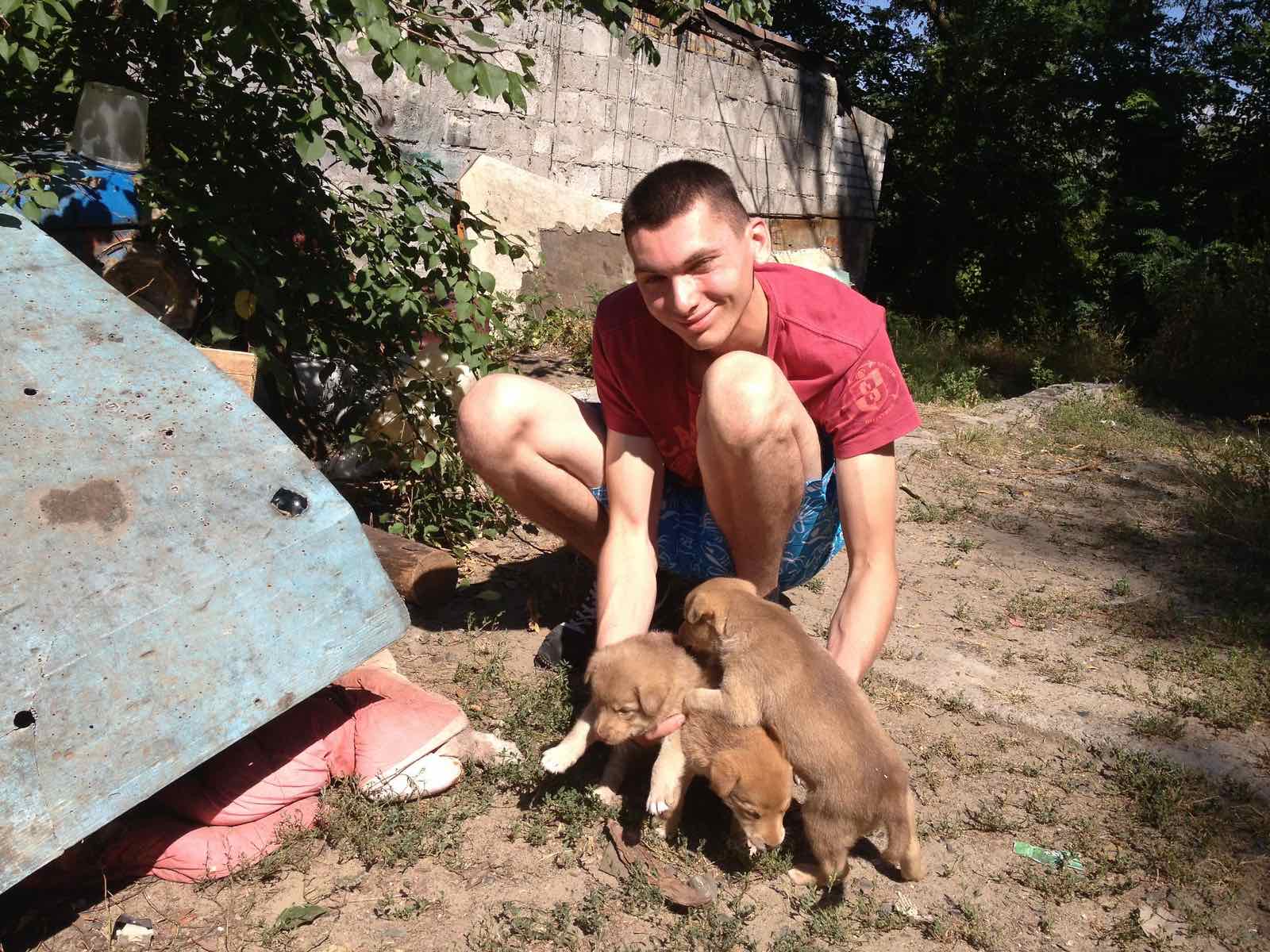
Snizhana does not know for how long she and her family were trapped. It was impossible to track time in the darkness, as the light of flames and Russian voices swept through the crack of the cellar door.
Once the immediate risk had passed, some members of the family would occasionally slip out to gather food and water from a nearby church before returning to the safety of the cellar.
Bombs continued to drop while the family remained hidden hearing the ballistics and remaining windows shattering from the force of the explosions.
By March 9, the food, water and gas had run out at the church, leaving the family without access to food or water. The family was still waiting for Snizhana’s uncle to return, but agreed that they had no choice but to risk moving elsewhere.
They migrated to central Ukraine on a bus helping evacuated civilians. They remained in central Ukraine for a month until the Russians were pushed back out of Irpin.
Due to extensive damage to many of her family’s homes, Snizhana moved into her uncle’s house on her return to Irpin.
Searching for Vovchyk
They began to search the city’s many dead for Vovchyk. One evening, mobile phone in hand, Shizhana heard her mother’s trembling voice ask what her uncle had been wearing when he left.
“I took the phone and saw the swollen corpse of my uncle,” she recalled. “I don’t remember anything after that because I just remember unbearable pain and my scream because I can’t process this pain.”
The only small mercy was that there was no sign that he had been tortured.
Despite the decay of his remains, it was clear how he had died. At the back of his head was a burn mark from the barrel of a gun, shot at point blank range into the back of his skull.
For six months after, Snizhana felt unable to leave her bed. It was through the consistent support and encouragement of her friends and family that she was able to recover some of what her life had been before the war.
In the aftermath, Snizhana focused on her studies. She completed school before studying dentistry at university.
It was safer to study online, as drone attacks and bombings were still a constant threat.
Building a new life in Orkney
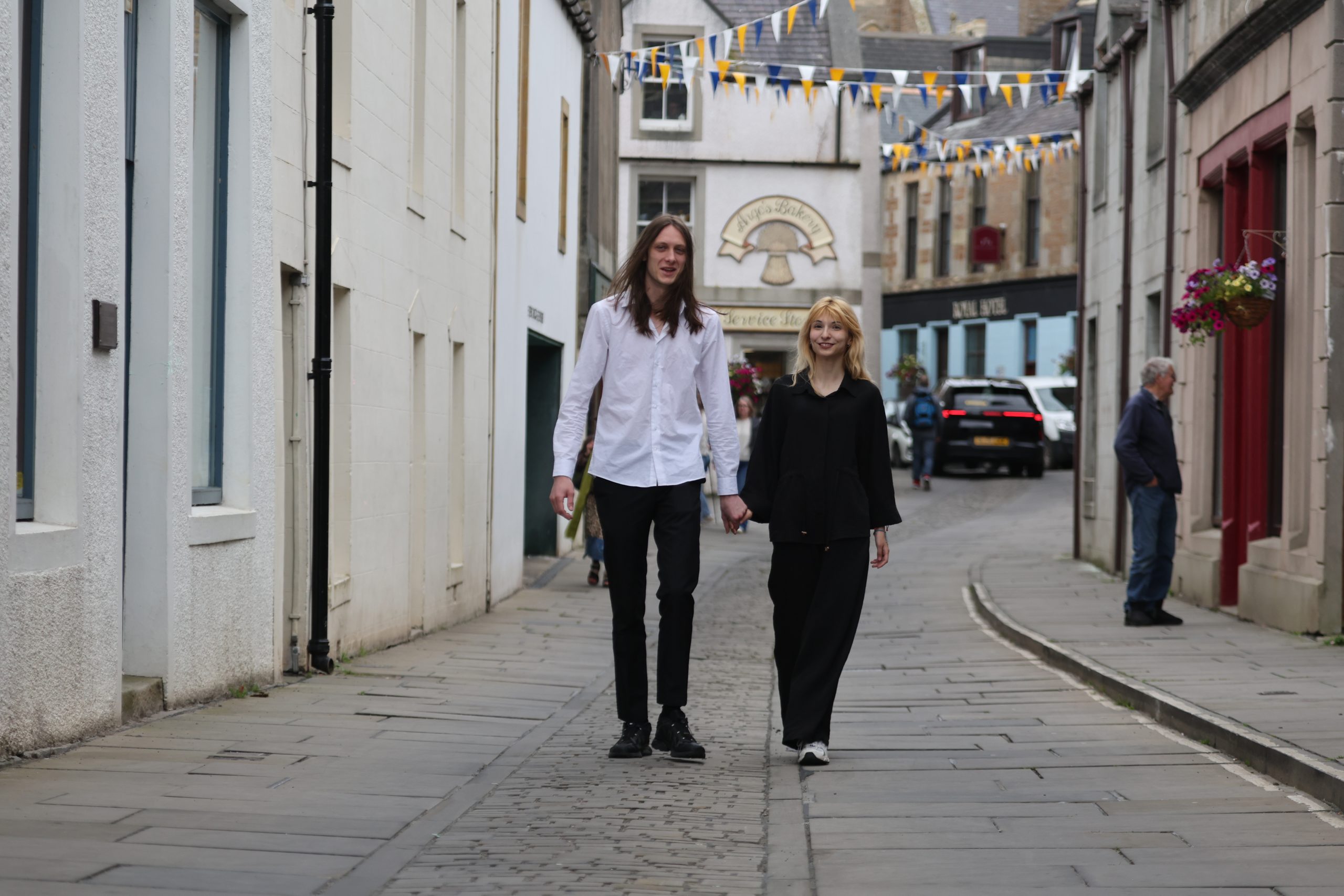
Four years on from the invasion of Ukraine, Snizhana has found a new sense of home in Orkney.
She travelled through Poland and onwards to the UK to be reunited with Bohdan (who also goes by Dan) who fled Ukraine in 2022.
Her family agreed that, having lost her teenage years to conflict, she should have a chance to experience peace.
She feels she has finally found a place where she could build a life and find a home.
Orkney has been far less of a culture shock than you might expect. Snizhana feels that the people of Orkney and Ukraine share many values and mannerisms.
“Our cultures are really similar,” she said. “People in Orkney are just Ukrainians if Ukraine didn’t have war — didn’t have all of Russia’s pressure on Ukraine.”
The country that she remembers growing up in was one where communities were closeknit and welcoming, much like Orkney.
Snizhana feels that life was interrupted by the war, and “split into two parts — a sweet dream and then a nightmare.”
Here, she has finally been able to focus on recovering from the brutality of war.
“I want to be where I won’t be afraid for my life and my house,” she said.
Snizhana is only able to stay in the UK for six months before her extended visitor visa runs out. This cannot be renewed while she is in the UK.
She has now found a sponsor in Orkney, meaning she will be able to return to the county as part of the Homes for Ukraine sponsorship scheme, which partners UK residents who have spare accommodation with Ukrainian nationals and their families.
Though she misses her family, Snizhana is glad not to have to permanently return to Ukraine, and hopes to make Orkney her home.
“I don’t want to return,” she said.
“After only one day in Poland my fear of being dead just faded, so I don’t want to return to Ukraine. I really love Ukraine, it’s a beautiful place, and the beautiful people in Ukraine.
“My mother, my sister, and all my family are in Ukraine — but I don’t think I can endure being in Ukraine.”