

Tunnels and bridges could be ‘transformative’ for Scotland’s islands, says MPs
But fixed links debate must not distract from 'urgent need' to improve ferry services

Tunnels or bridges could have “transformative benefits” for Scotland’s island communities, a group of MPs has said.
The UK Government has been called on to “actively engage” with communities on fixed link proposals, and “give serious consideration” to supporting these projects.
But the Scottish Affairs Committee has said that the debate around these major infrastructure projects cannot distract from the “urgent need” to improve ferry services.
The group’s findings come in a report published today, Friday, October 16, bringing to an end its inquiry into permanent connections between Scotland’s islands.
The MPs heard evidence about fixed link plans in the Western Isles and Shetland, and case studies from the Faroe Islands and Skye.
The committee say that, where they are deemed viable, fixed links could bring major improvements to communities.
They can help to improve the quality of life, strengthen isles economies, and reverse downward population trends, the group
The Churchill Barriers are used as an example in the report of how permanent connections can prevent the kind of population decline seen in other islands.
The committee stresses that fixed links should not be viewed as a replacement for ferries, but as one element of a reliable transport network.
Bridges and tunnels will only be suitable for certain shorter crossings and should not distract from the urgent need to improve ferry services, which remain a “lifeline” for many island communities.
Concerns that fixed link may lead to loss of island identify, or an over-centralisation of services, are also detailed in the report.
Committee chairwoman Patricia Ferguson MP, told the newspaper: “Fixed links won’t necessarily be viable in every instance, and any proposal for Orkney would need the support, first and foremost, of Orcadians.
“While our report highlights the transformative impact bridges and tunnels can have where they are viable, we are equally clear that the debate about fixed links must not distract from the urgent need to improve Scotland’s ferry services.
“Nowhere is this more relevant than in Orkney, where the average age of vessels is now 31 years old and some islands are served by only one ferry per week during the winter.”
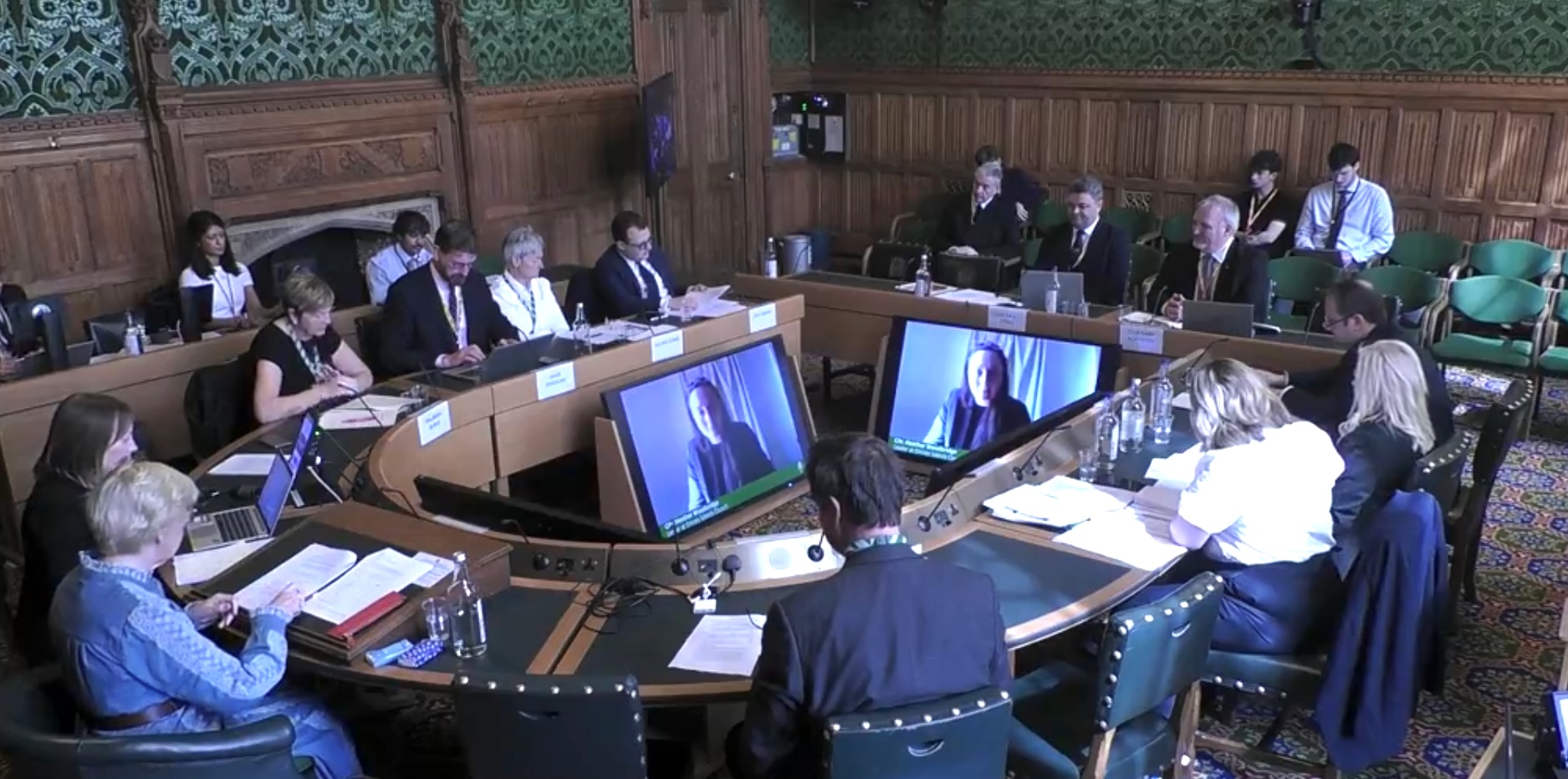
This is far below an acceptable standard, as Orkney Islands Council leader Heather Woodbridge told the committee during her evidence in May.
Councillor Woodbridge said “the appetite is absolutely there” for fixed links in the county, but that any money to explore these would have to come from government.
The committee has found that, although transport is devolved to the Scottish Government, this does not mean Westminster’s role in supporting fixed links is limited.
The infrastructure could be a key enabler for strategically important industries, like space launch and clean energy sectors, the report explains
“The Government should actively engage with island communities, the Scottish Government and local authorities where proposals align with wider UK interests and give serious consideration to how it can support such projects,” the document continues.
In a special report earlier this month, The Orcadian detailed what Shetland’s tunnelling aspirations could mean for Orkney.
We also looked into some of the fixed link projects that have been explored for Orkney, such as linking Eday and Westray using a series of bridges.