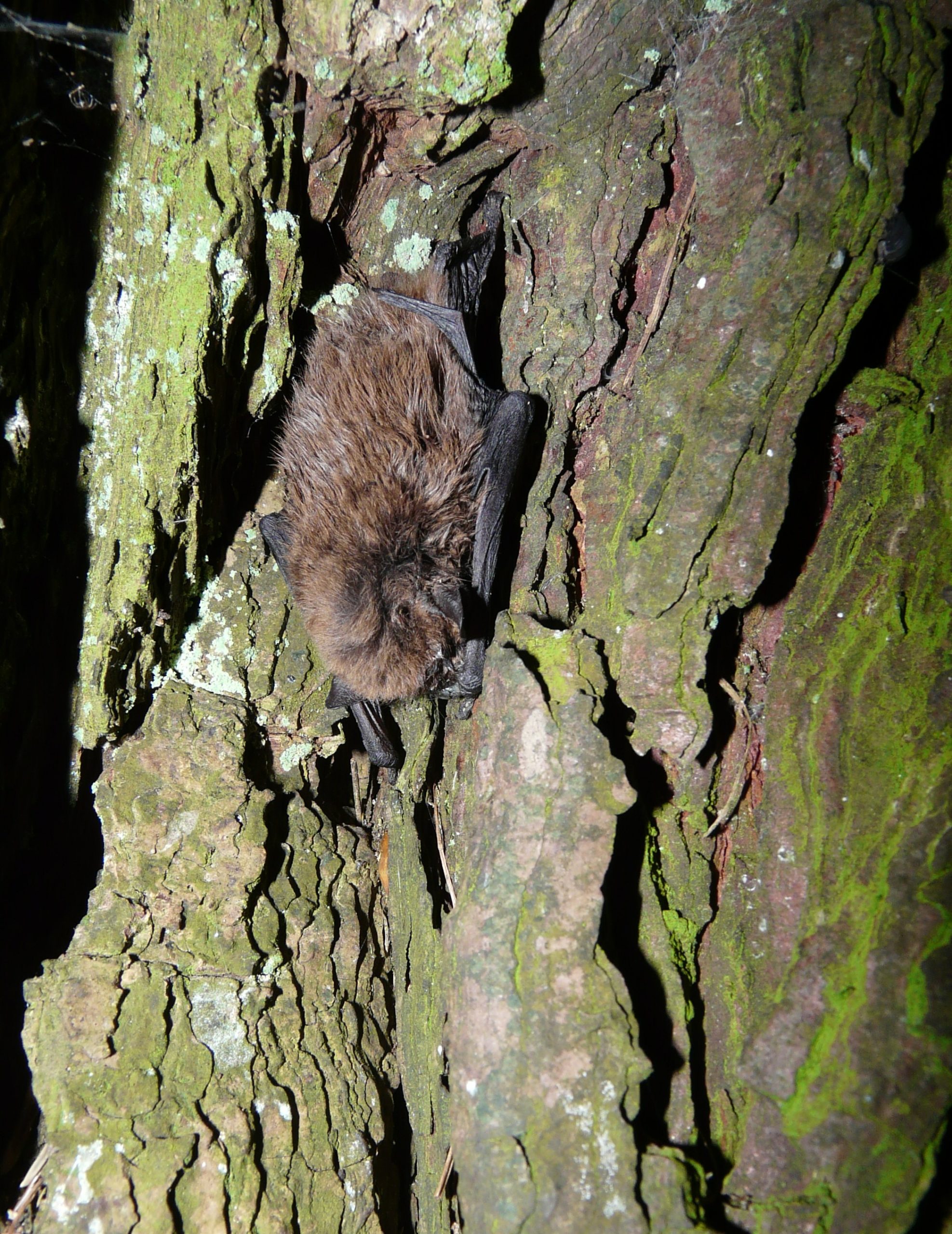
Soprano bat recorded for first time in Orkney

This Hallowe’en brings good news for Orkney’s bat population, which could be double what was previously thought.
So research at an East Mainland site, which is home to the county’s three known resident bat species, has found.
The discovery comes alongside another surprise for Orkney’s bat enthusiasts — the first recordings of Soprano Pipistrelles in the isles.
Together, the findings could push estimates of Orkney’s total bat population towards 200 and potentially add a fourth species to its list of resident bats that includes Common Pipistrelles, Nathusius’ Pipistrelles and Brown Long-eared Bats.
Experienced bat listener Tim Dean said the findings had transformed understanding of the animals’ presence in the county.
“Up until September of 2025, we assumed there was only one resident bat species, the Common Pipistrelle,” he told The Orcadian.
Since then, Nathusius’ Pipistrelles and Brown Long-eared Bats have been confirmed as residents, according to Mr Dean.
“We used to estimate there were between 60 and 100 Common Pipistrelles in Orkney,” he said.
“These were spread out over sites in Hoy, Stromness — where there are a handful, probably fewer than 10 — Evie, Dounby, Harray and in Firth between Heddle Hill and Binscarth.”
The site in the East Mainland has now emerged as a significant additional location.
Meanwhile, multiple Soprano Pipistrelles were recorded this month; the bat can be distinguished from Common Pipistrelles by their calls.
“It is likely we have more,” said Mr Dean.
A survey is planned for next year to investigate whether the Soprano Pipistrelles are residents rather than passing visitors. If confirmed, they would become Orkney’s fourth known resident bat species.
The discovery follows confirmation this spring that Nathusius’ Pipistrelles and Brown Long-eared Bat are resident in the county.
Mr Dean said there were also records of bats in the ‘Hope, although no resident bats had been recorded in Kirkwall.
Orkney has a history of bats making landfall in the islands, with visiting species adding to the interest for local enthusiasts.
“Some continental bats migrate and a strong wind can blow them across the North Sea, as it can with birds,” said Mr Dean.
This could account for records of visiting species such as the Parti-coloured Bat.
One particularly remarkable visitor was a Hoary Bat, a species native to North America, discovered in South Ronaldsay in 1847.
The animal was found by people digging potatoes and kept as a pet for several weeks on sugar and water.
The body of the bat is kept in the Zoology Museum of the University of Cambridge.