Plans discovered for Kirkwall’s Black Building

Original plans for one of Orkney’s most iconic wartime buildings have been discovered.
Buried away in The National Archives, historian lan Brown has found the records for Kirkwall’s famous Black Building.
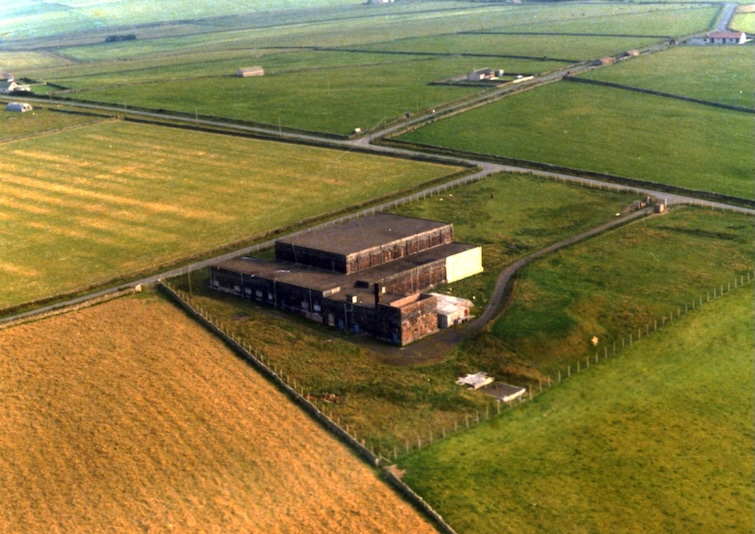
Demolished in 2009, the imposing structure at Inganess Road was an important headquarters of the RAF during the Second World War.
Mr Brown, an aviation historian, found the plans when he was pouring over files at the archive in Kew for his new book.
His wider research has also turned up German propaganda cartoons, depicting an attack on an Orkney airfield.
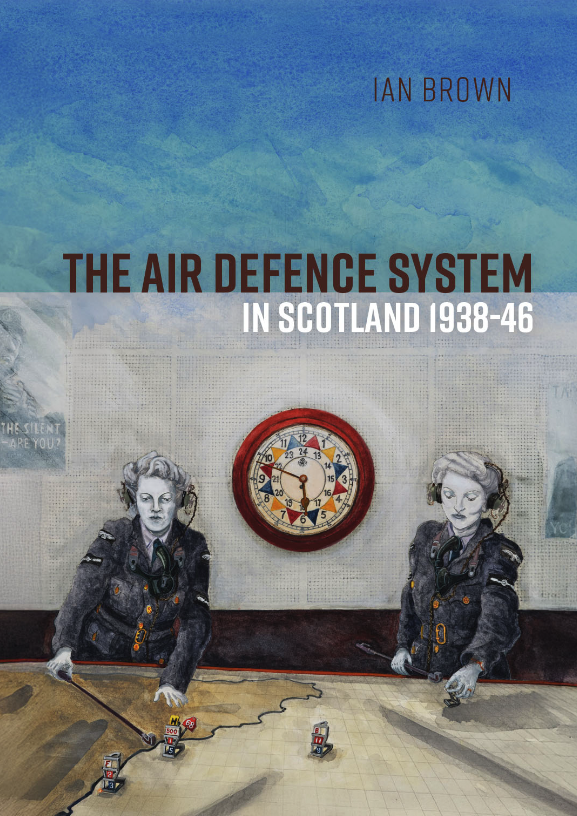
Mr Brown’s new book, The Air Defence System In Scotland 1938-46, uses official records and first-hand accounts to tell the story of the network of stations and bases that tried to keep the country safe.
“It’s a very important story.” Mr Brown told The Orcadian.
“There’s various books that talk about the war in Orkney, the air attacks, but nothing that has really looked at how the defences were organised and how they were part of a bigger system.”
An assistant curator at the National Museums of Scotland, Mr Brown has previously written about the history of radar facilities during the Second World War.
When it comes to the broader defence network, the historian found the existing literature lacking — often focusing on the Battle of Britain and giving a very general, often flawed, explanation of how the wider system worked.
“You can’t understand the bigger picture without understanding the smaller details, Mr Brown said.
It’s often written that radar stations across the county would all report back to headquarters in London, the author explained.
“When it comes to Orkney, that’s simply not true,” he added.
The radar station at Netherbutton, which became operational in June 1939, sent its information to the requisitioned Wick North School, which served as the fighter sector headquarters at the outset of the war. It was from this Caithness base that RAF operations in and over Orkney were first controlled.
With the Netherbutton radar station sending information to Wick, it was the only one in the country not reporting directly to headquarters in London, Mr Brown describes.
The author says that, if the German armed forces knew this, the results could have been devastating. One bomb hitting the Wick school could have knocked out a crucial component in the defence of Orkney, and in turn the main Royal Naval base of Scapa Flow.
In September 1940, the fighter sector headquarters moved from Caithness to Kirkwall, to the site of what became the Claymore Creamery on Bignold Park Road.
Then in january 1944, this key role was moved into the distinctive premises at the head of Ignaness Road which was to be known as the Black Building, due to the tar-clad exterior.
The construction lasted over two years, with the specially designed premises bringing together the RAF fighter sector headquarters and the gun operations room, which oversaw the work of anti-aircraft installations.
After the Second World War, and into the 1970s, the premises was operated as a repeater station by the General Post Office.
Later up for sale, the Black Building came into the ownership of Orkney Islands Council and by the mid-2000s, the site was mooted for demolition to make way for new housing In 2009.
Holm Heritage Society’s Ken Hambly led a campaign to stop the demolition, arguing it would stand as a memorial to the service people stationed in Orkney during the world wars.
One of those to support his efforts was military historian Geoffrey Stell, who went on to author the First World War book Orkney at War: Defending Scapa Flow.
In 2009, he said: “The now somewhat impassive gaunt shell and damaged interior of the Black Building belies a wartime history and function that made it among the busiest and most secretive places in one of the busiest military zones in the United Kingdom”
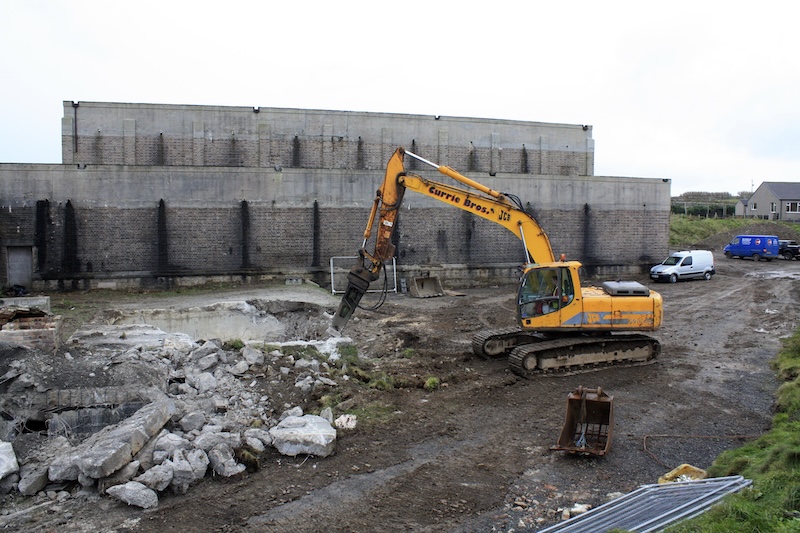
The campaigners’ efforts were, in the end, unsuccessful and the prominent piece of wartime architecture was torn down that year, but not before the site was scanned to preserve the 3D digital version of it.
Mr Brown’s new book includes the plans for the ground and first floors of the Black Building, detailing what each room was used for during the war.
The author has also brought together accounts from personnel who worked inside the flight sector headquarters, giving a sense of how the nerve centre operated.
Moya MacDonald of Another Orkney Production, which organises the Orkney Aviation Festival, said the plans were thought to have been lost, until Mr Brown found them.
She praised the “meticulously researched” book from the “leading expert in this field.”
“His research has uncovered the plans for the Black Building, throwing more light onto a particular part of Orkney’s wartime history.”
Ms MacDonald said it was a pleasure to have Mr Brown on board to give a talk at this year’s Orkney Aviation Festival in September
His talk will draw on research for his next book on air raids, focusing on the attack on Orkney on March 16, 1940.
It is probably best known as the attack which resulted in the tragic death of James Isbister, the first civilian killed on land by an air raid on Britain during the Second World War.
The Air Defence System in Scotland 1938-46 can be purchased at The Orcadian Bookshop for £40.
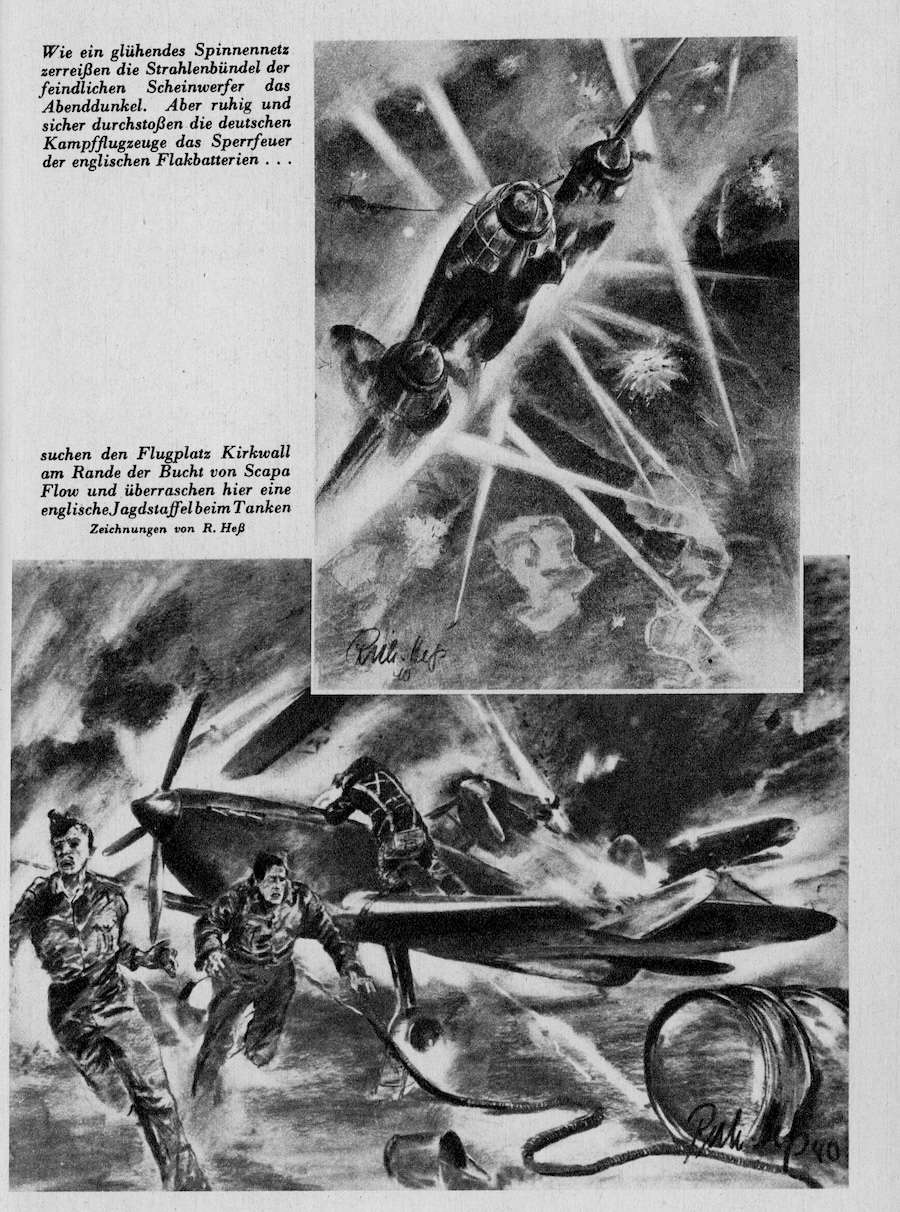
This page states: “Like a glowing spider’s web, the beams of the delicate searchlights rip through the evening darkness. But the German bombers quietly and confidently pierce the barrage of the English anti-aircraft batteries…
“They search for Kirkwall airfield on the edge of Scapa Flow Bay and surprise a British fighter squadron while refuelling.”