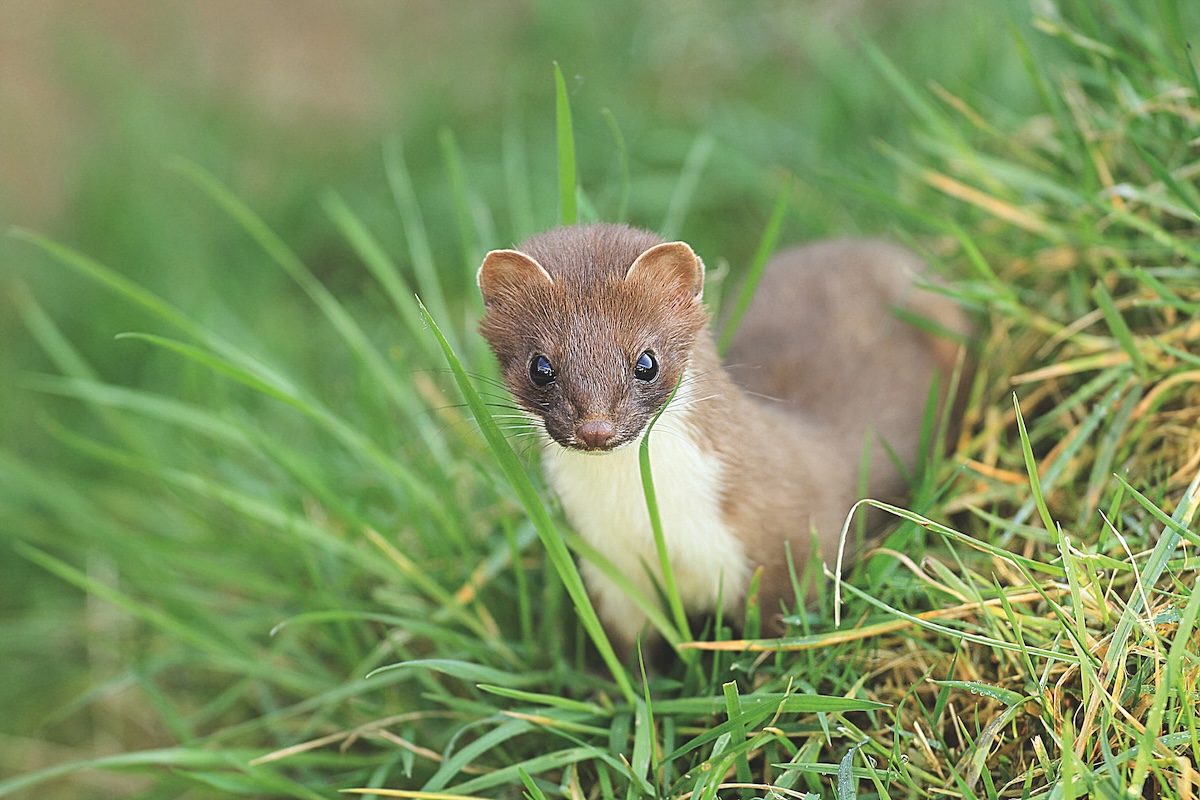
Fourth stoat on the loose in Rousay after third predator caught
A total of four stoats have been found in Rousay, it has emerged.
One of the invasive predators remains at large, while three others have been caught by Orkney Native Wildlife Project (ONWP).
The £16 million eradication effort says it does not know how the stoats have arrived in Rousay.
However, it says there is no evidence they are breeding in the island, and there have been no sightings of juveniles or females.
A stoat was first spotted in the island in April, leading to a six-month £150,000 hunt to catch and remove it.
It was found in a trap near the Loch of Loomachun on Friday, October 9.
Since then, the problems have continued. A second invasive predator was spotted and quickly trapped in October.
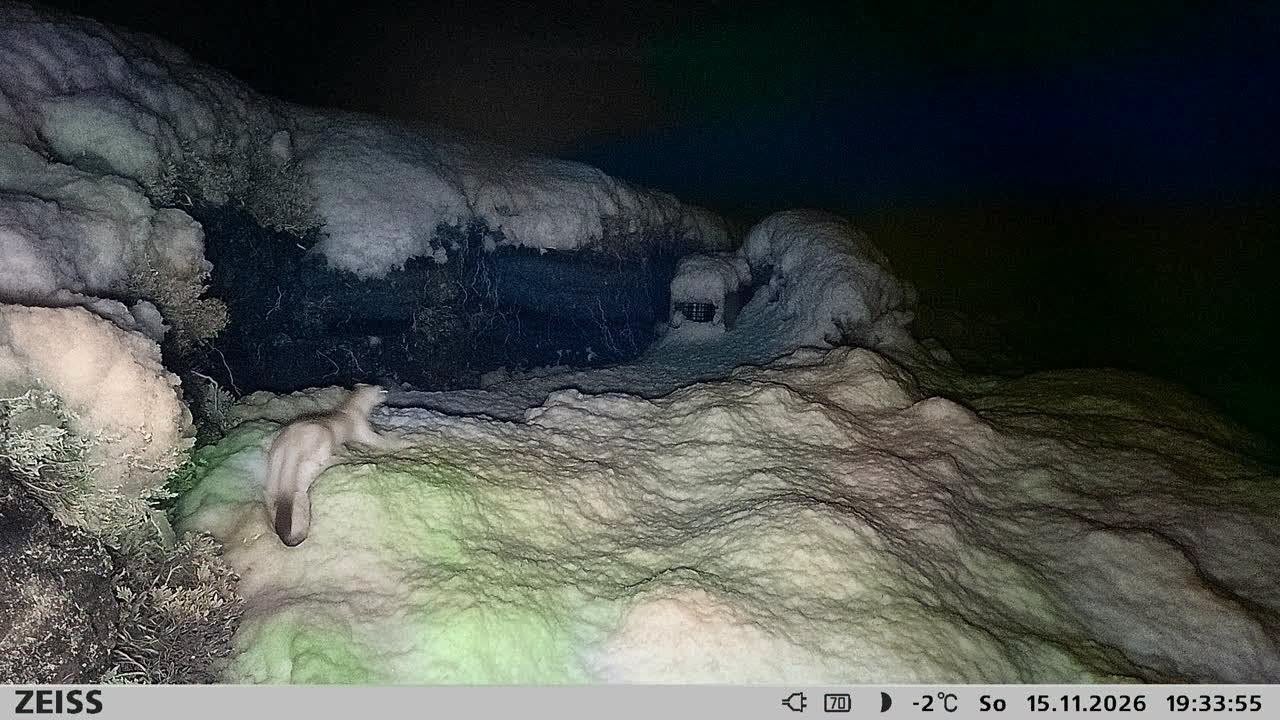
In an update on Tuesday, ONWP said a further mustelid was found in a trap at the start of this month, before a fourth stoat was caught on camera on November 15.
“This is obviously a deeply concerning development and bad news for Rousay’s native wildlife and the entire island community,” a spokesman for the eradication effort said.
“The silver linings here are that the surveillance we have in place is effectively detecting the presence of stoats, and that we are successfully removing them.
“This is thanks to the huge amount of community support from the fantastic volunteers, landowners, and everyone that has reported potential sightings on the island, all of whom have made this challenge easier to face. For that, we continue to be incredibly grateful.
“The priorities now are to work with local community volunteers to catch this latest stoat as soon as possible and to ensure that if there are any others, we detect and catch them too.
“We’re asking everyone to please continue to report any potential sightings, wherever you are, because this makes such a huge difference.”
ONWP has previously said that stoats are strong swimmers and they could have crossed Eynhallow Sound to arrive on the island.
It is also possible that somebody broke the law by releasing the invasive animal deliberately.
The project said DNA analysis may help them better understand what is happening and shed light on where in Mainland Orkney the animals came from.
However, this won’t be quick, as the priorities are to catch the stoat that is loose as quickly as possible, and to increase the monitoring of the island even more to be sure there are no others.
The project says it has enough funding to cover the costs of the eradication effort until March 2027.