New report shows vole and hen harrier numbers rebounding in Orkney
A report released by Orkney Native Wildlife Project shows that many of Orkney’s most iconic native species are increasing in number — thanks to efforts to remove stoats from the county.
The project is the largest of its kind in an inhabited landscape, and the first to be attempted in the Northern Hemisphere.
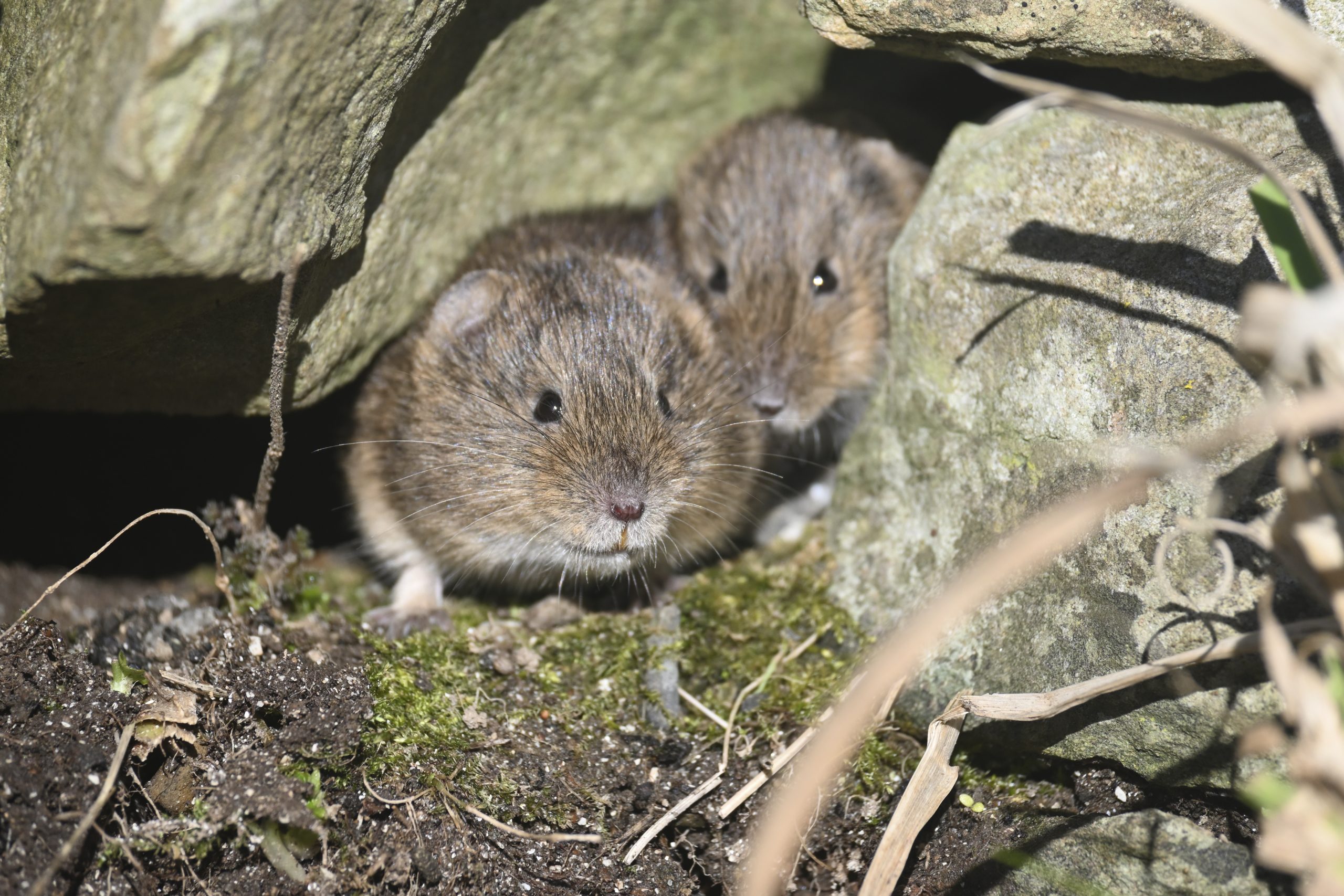
The reports shows that last year broke records for Orkney vole abundance, and hen harrier breeding activity as well as high numbers of breeding short-eared owls. The increases are associated with a reduction in the number of invasive non-native stoats as the Orkney Native Wildlife Project’s work to remove them progresses.
In 2025, Orkney vole activity in spring was the highest since 2019, when the Orkney Native Wildlife Project began regular surveys, and autumn activity was also high. In addition, the number of confirmed hen harrier breeding attempts was the highest it has been in more than a decade, and the number of short-eared owls recorded during the breeding season remained high, having recovered from low levels reported in 2019-20.
Monitoring by the Orkney Raptor Study Group in 2025 included 201 Mainland sites checked for hen harrier occupancy, with breeding proven at 74 sites — the highest number since 2012.
Sadly, this did not result in record breeding success due to wet weather at a critical time resulting in high chick mortality. Despite this, it is thought nearly 60 chicks still successfully fledged in 2025 from monitored nests — a not insignificant number given the total hen harrier breeding population in 2023 in the UK/Scotland was 653/529 territorial pairs.
Speaking on behalf of the project, Sarah Sankey, said: “Year after year, the results from efforts to monitor trends in native wildlife are showing us the positive impact removing stoats from Orkney is having.”